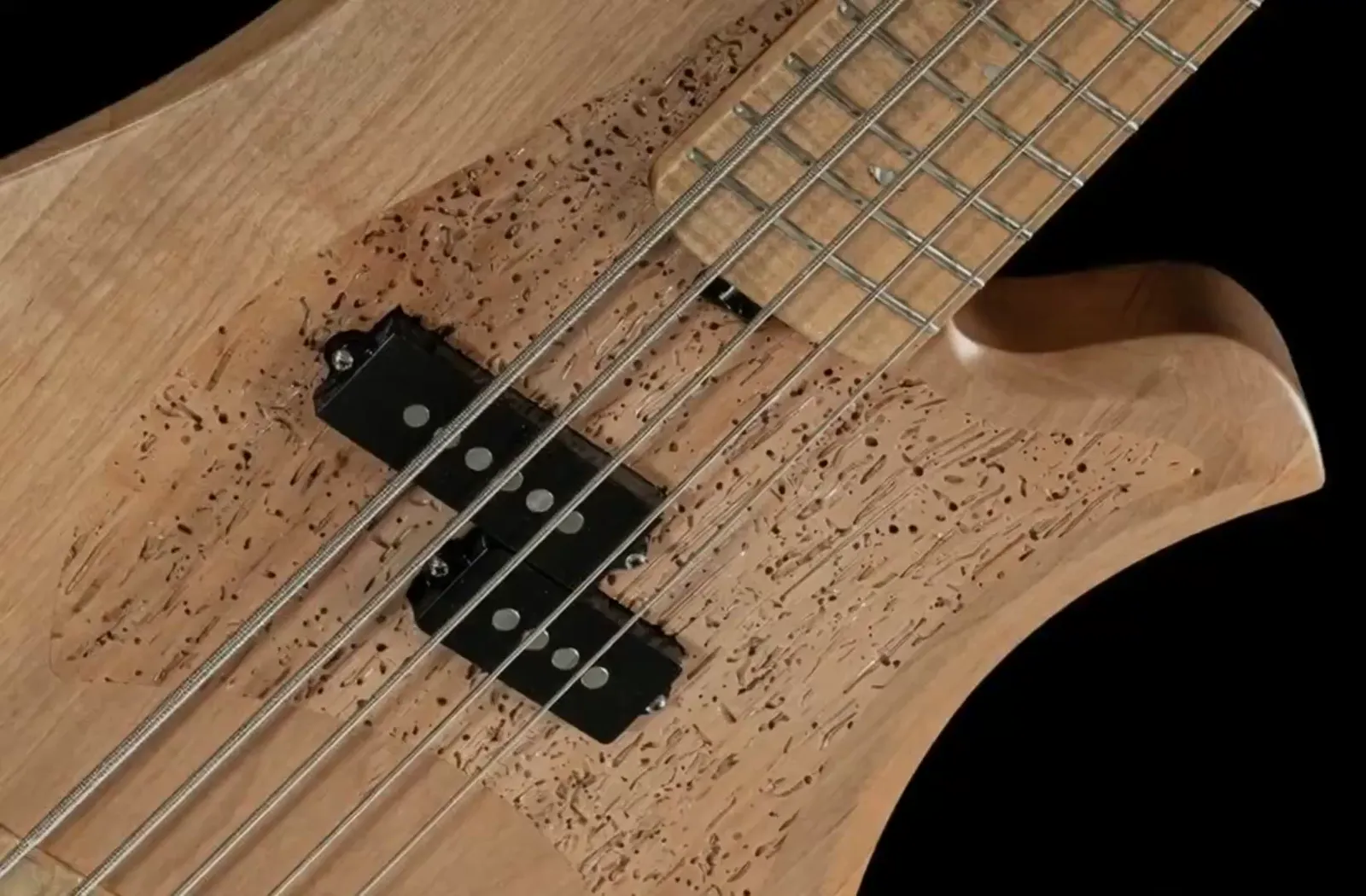
Passive, or active?

Bacci GuitarsPescia, Tuscany
Every bass is one of two things at its heart, and the choice shapes how it feels more than almost any other single decision. A passive bass sends the pickups straight to the amplifier, with no battery and no preamp in between. An active bass adds a powered circuit that lifts the output and lets you shape the tone right at the instrument.
Both are valid, and plenty of landmark records live on each. This is not a question of one being better, it is a question of what you want the bass to do under your hands, and how much of the sound you want settled before the signal ever leaves the instrument.
This article explains what passive and active actually mean, how each one feels and sounds, the real trade-offs, how to choose for your playing, and why Bruno Bacci builds the Marleo passive by design.
A passive bass is the original design, and the simplest. The pickups generate a signal and that signal goes, by way of a volume and usually a tone control, straight to the output jack. Nothing powers it, nothing re-shapes it. What the strings and your hands do is what the amp hears.
That directness is why passive basses are prized for dynamics. Play softer and the sound cleans up, dig in and it growls, because there is no preamp compressing or colouring the signal on the way out. It is the foundation of the vintage Precision and Jazz voice, the round, reactive thump behind decades of records.
There are practical upsides too. No battery means one less thing to fail halfway through a set, and a simplicity that many players never want to give up. The sound is honest, and it rewards touch.
Bruno builds the Marleo with a passive circuit on purpose: natural, dynamic and punchy, no batteries, no signal loss, the amplifier's full response in your hands, the way a vintage Precision or Jazz always answered to the right hand.
For me, a well-fitting instrument is one that lets you think only about the music.Bruno Bacci
An active bass runs the pickups through an onboard preamp powered by a battery, usually a nine-volt. That preamp does two jobs: it raises and stabilises the output, and it gives you tone controls, often bass, middle and treble, that you can reach and adjust while you play.
The advantages are real. A hotter, more consistent signal drives long cable runs and effects more cleanly, and the onboard EQ lets you carve the bass to fit very different rooms and styles on the fly, boosting lows for one song and cutting mud for the next without touching the amp.
The trade is a battery to keep fresh, a few more controls to understand, and a preamp voice sitting between the strings and the amp. For some players that control is exactly the point. For others it is exactly what they want to remove.
Strip away the marketing and the choice comes down to a single trade: feel against control. Passive gives you the most direct, dynamic connection between your hands and the amp, and asks you to shape tone with your touch, your strings and your rig. Active gives you more output and a tone-shaping console on the instrument, and asks you to carry a battery and accept a circuit in the signal path.
Neither is more professional than the other. Session players and touring pros swear by both, often owning each for different gigs. What matters is matching the instrument to how you work: whether you want the bass to get out of the way, or to hand you the controls.
Nothing to power, nothing to fail mid-set.
Typical onboard controls: bass, middle, treble.
Feel in the hands, against control at the instrument.
If you are unsure, these are the honest guidelines.
You want a natural, hand-responsive voice, a vintage-leaning character, and the simplicity of no battery. You are happy to shape tone with strings, touch and your amp. This is the Precision and Jazz tradition, and it is what the Marleo is built on.
You play styles that need aggressive on-the-fly EQ, you run long signal chains or lots of effects, or you want a hotter, more uniform output across every room. You do not mind a battery and a few more knobs.
Jazz, Precision or blended voices, chosen when you order, strung with Dogal Vintage Nickel, with nothing between the strings and the amp.
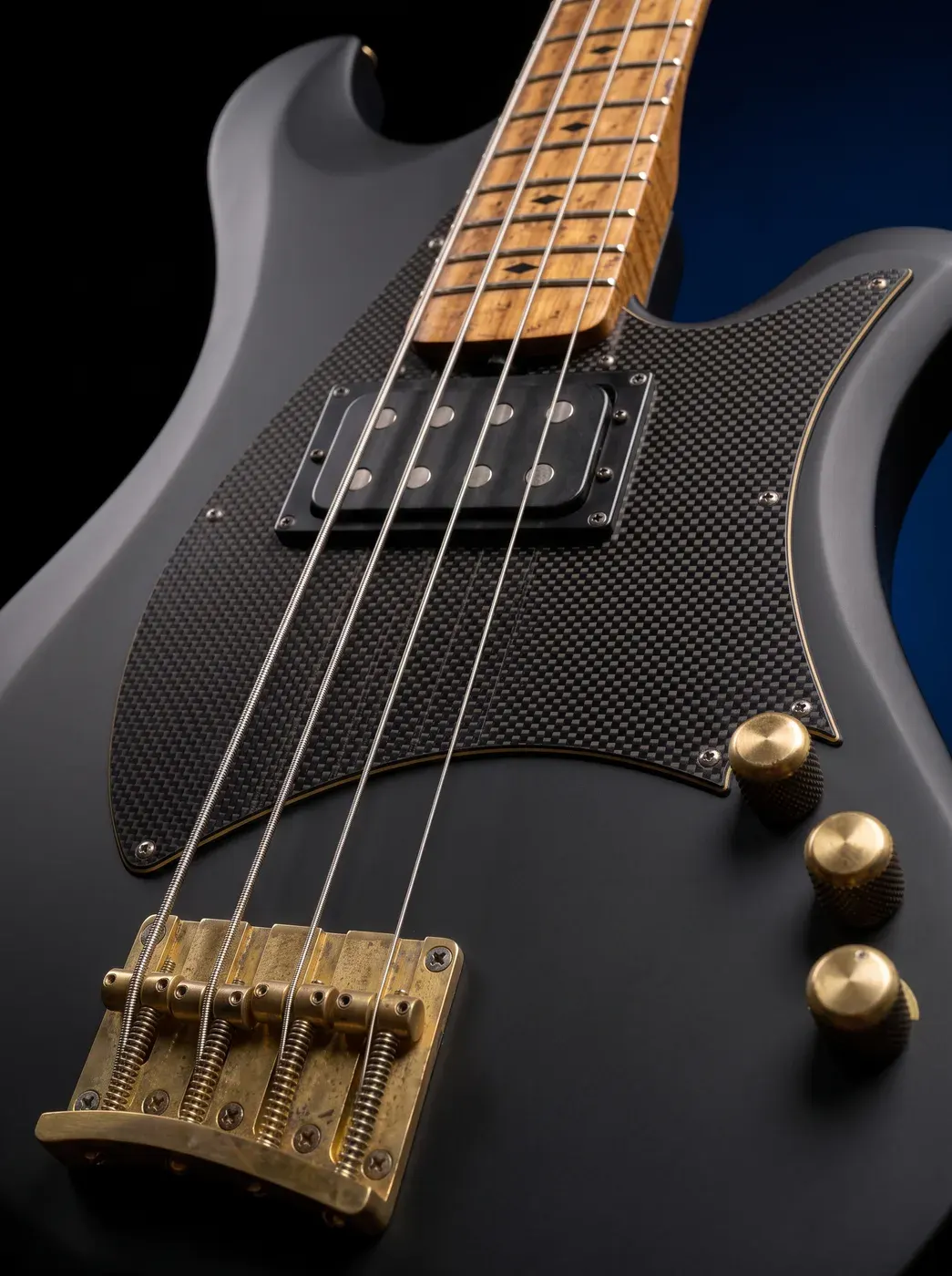
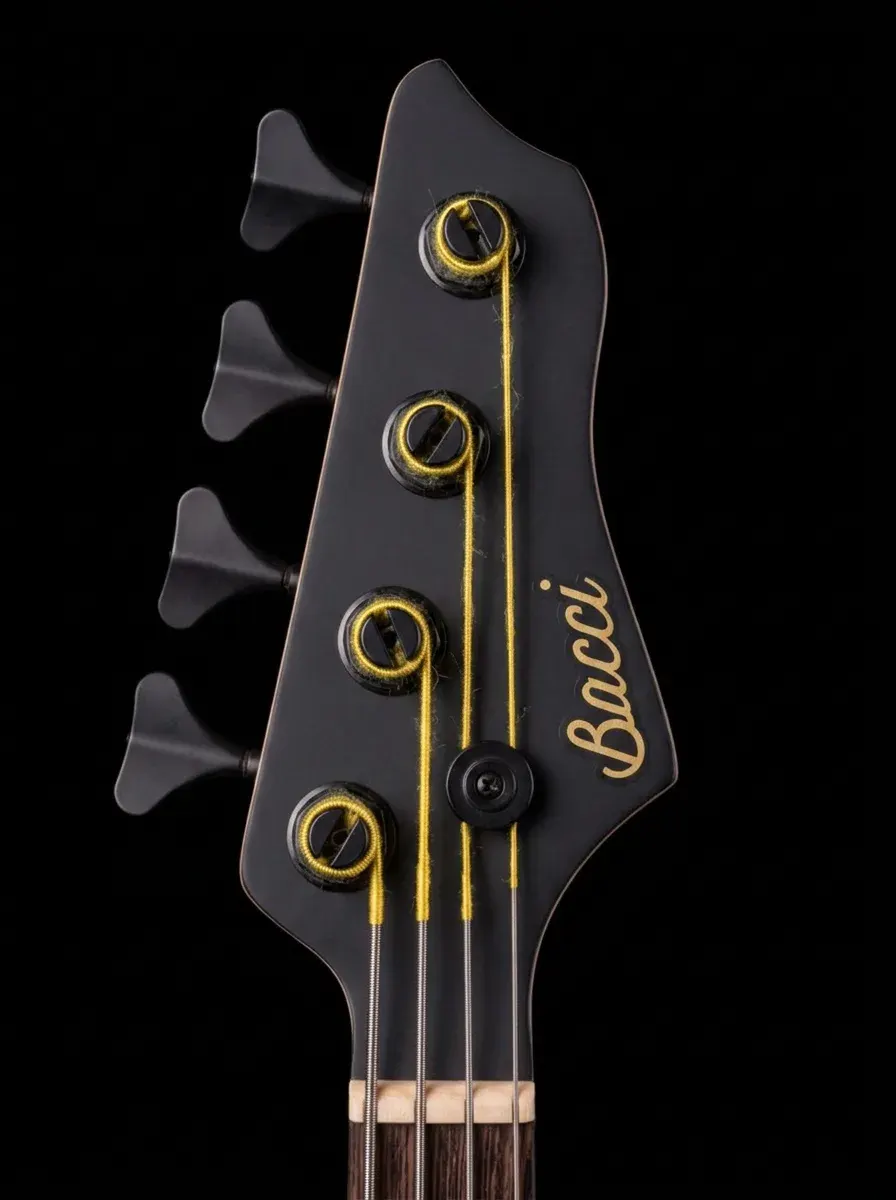
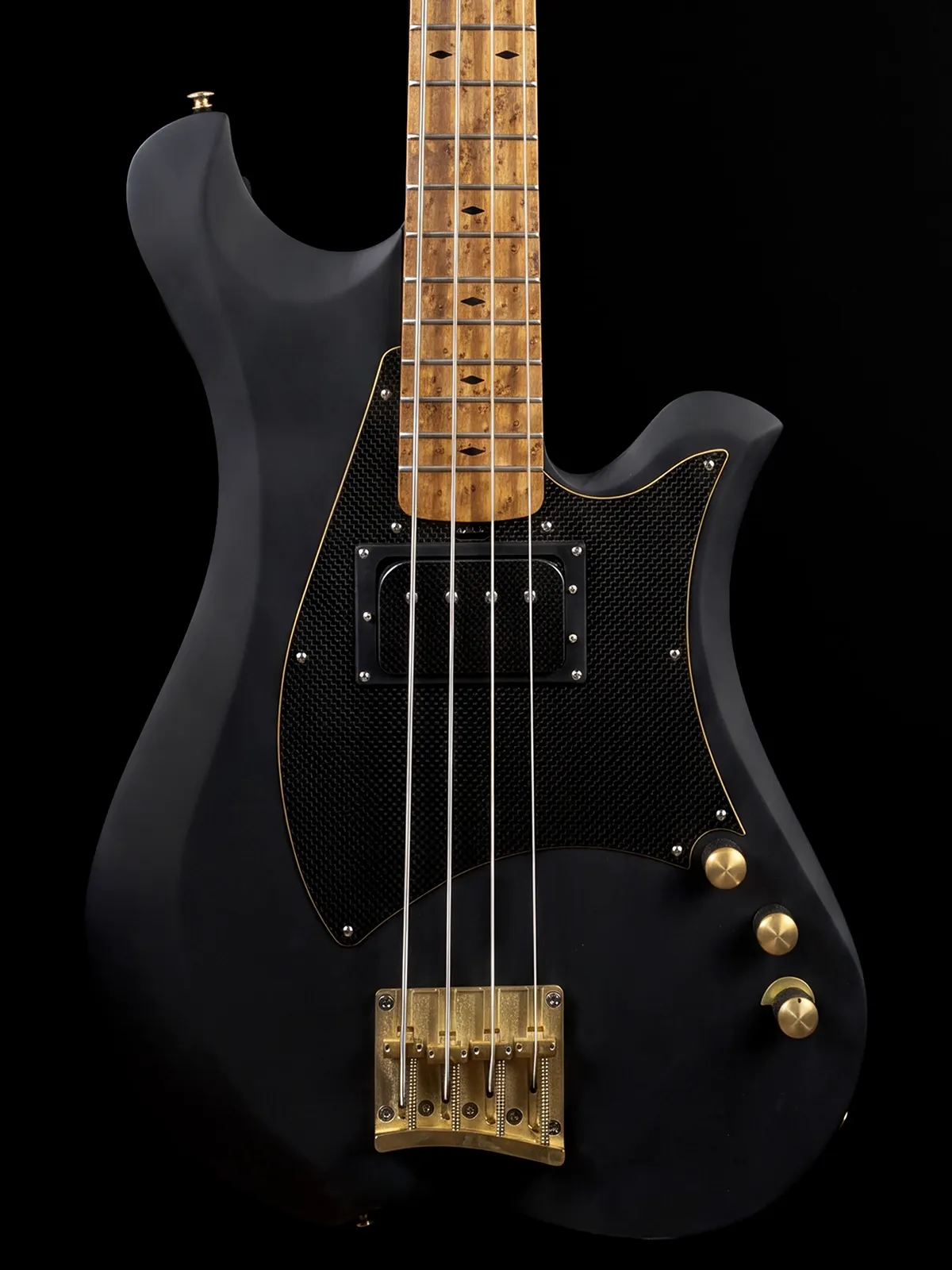
The Marleo is Bacci's answer to the question, and the answer is passive. A single Bacci Custom pickup, a passive circuit, a figured maple neck hand-matched to its own body, and nothing in the way of the player. You choose the voice, Jazz, Precision or their blends, on a four or five-string, in a 32-inch or 34-inch scale, strung with Dogal Vintage Nickel.
It is the bass Tim Lefebvre, the bassist on David Bowie's Blackstar, chose for exactly this reason: a vintage-leaning character that stays natural, dynamic and alive. A passive bass does not tell you what to sound like. It hands the sound back to you.

A passive bass has no battery and no onboard preamp: the pickups feed the amplifier directly, so the tone is dynamic and reacts to your hands and your playing. An active bass adds a powered preamp that boosts the signal and gives you tone controls on the instrument, at the cost of a battery and a circuit sitting between the strings and the amp.
Either works, but many beginners find a passive bass simpler: there is no battery to manage and fewer controls to understand, usually just volume and tone. The sound you get is the honest sound of the bass and your hands, which is a good way to learn touch and dynamics.
Generally yes, a passive bass puts out a lower, more dynamic signal than an active bass. In practice this is rarely a problem: any bass amp or interface has the gain for it, and the lower, more reactive output is exactly what gives a passive bass its feel.
Yes. A passive bass with fresh roundwound strings, the tone up and a bright pickup position has plenty of bite and clarity for modern styles. The passive circuit does not lock you into vintage, it simply leaves the tone shaping to your hands, your strings and your amp.
Bruno builds the Marleo around one idea, only what is necessary. A passive circuit keeps the tone natural, dynamic and punchy, with no batteries and no signal loss, so the amplifier's full response stays in your hands, the way a vintage Precision or Jazz always answered to the right hand.
It can. A passive circuit is the foundation of the classic Precision and Jazz voice. On the Marleo you choose the Jazz, Precision or blended voice, strung with Dogal Vintage Nickel, for exactly that character, though the same bass covers modern tones too.
They are two different instruments, not a switch, though some basses offer an active or passive toggle. The Marleo is purely passive by design, so there is no battery to replace and nothing to fail on a gig.
Yes. The Marleo is handbuilt to order in a 32-inch or 34-inch scale, four or five strings, with the pickup voice, fingerboard and finish you choose. You start from the Marleo page.
The Marleo is deep, punchy and alive, with nothing in the way of the player. Handbuilt one at a time in Tuscany, to your scale, voice and finish.
Every Marleo is designed, built and set up by Bruno, one at a time, in Pescia.