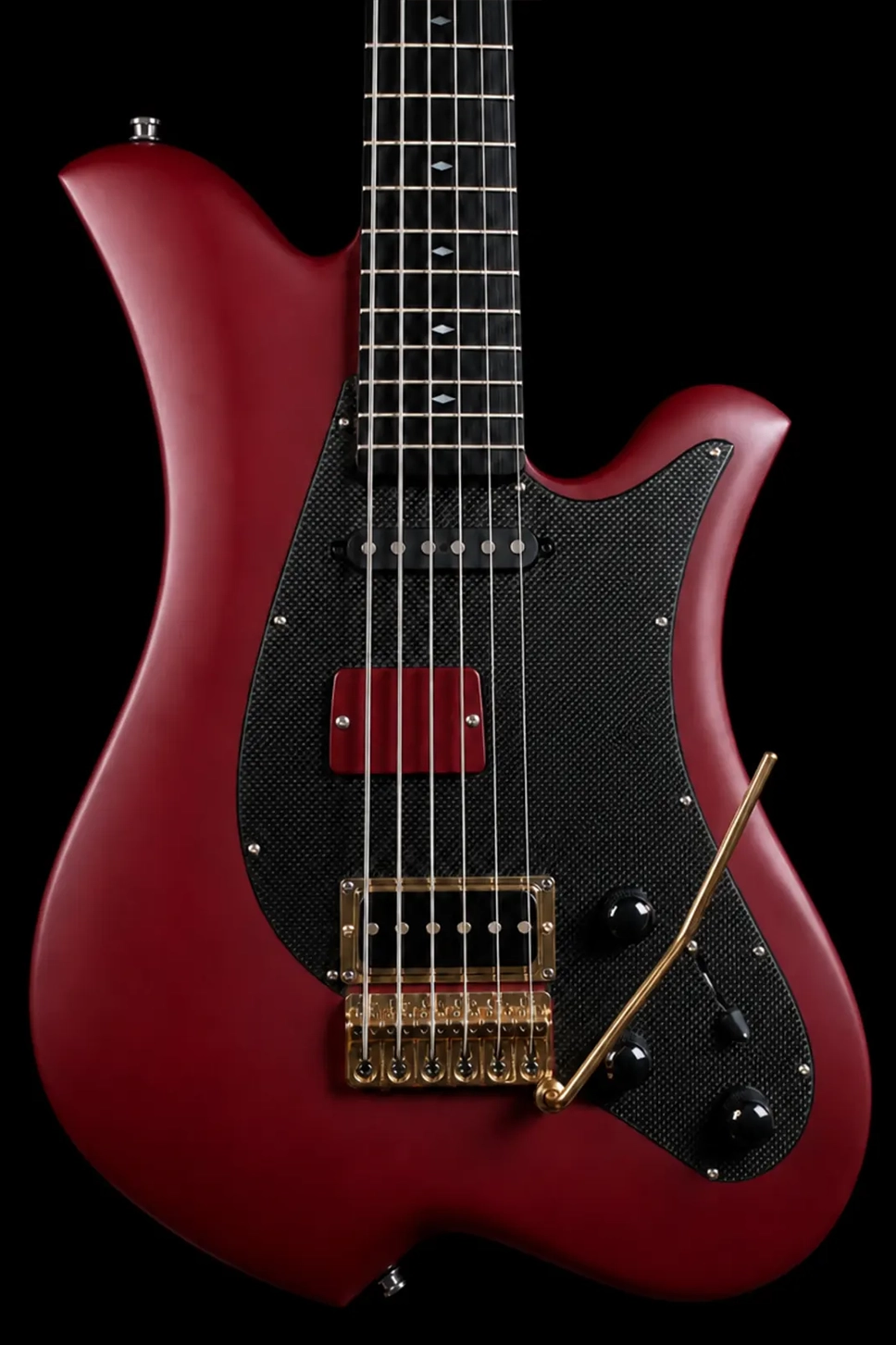
One bench in Pescia, and what leaves it is a bass, a baritone, or a guitar.
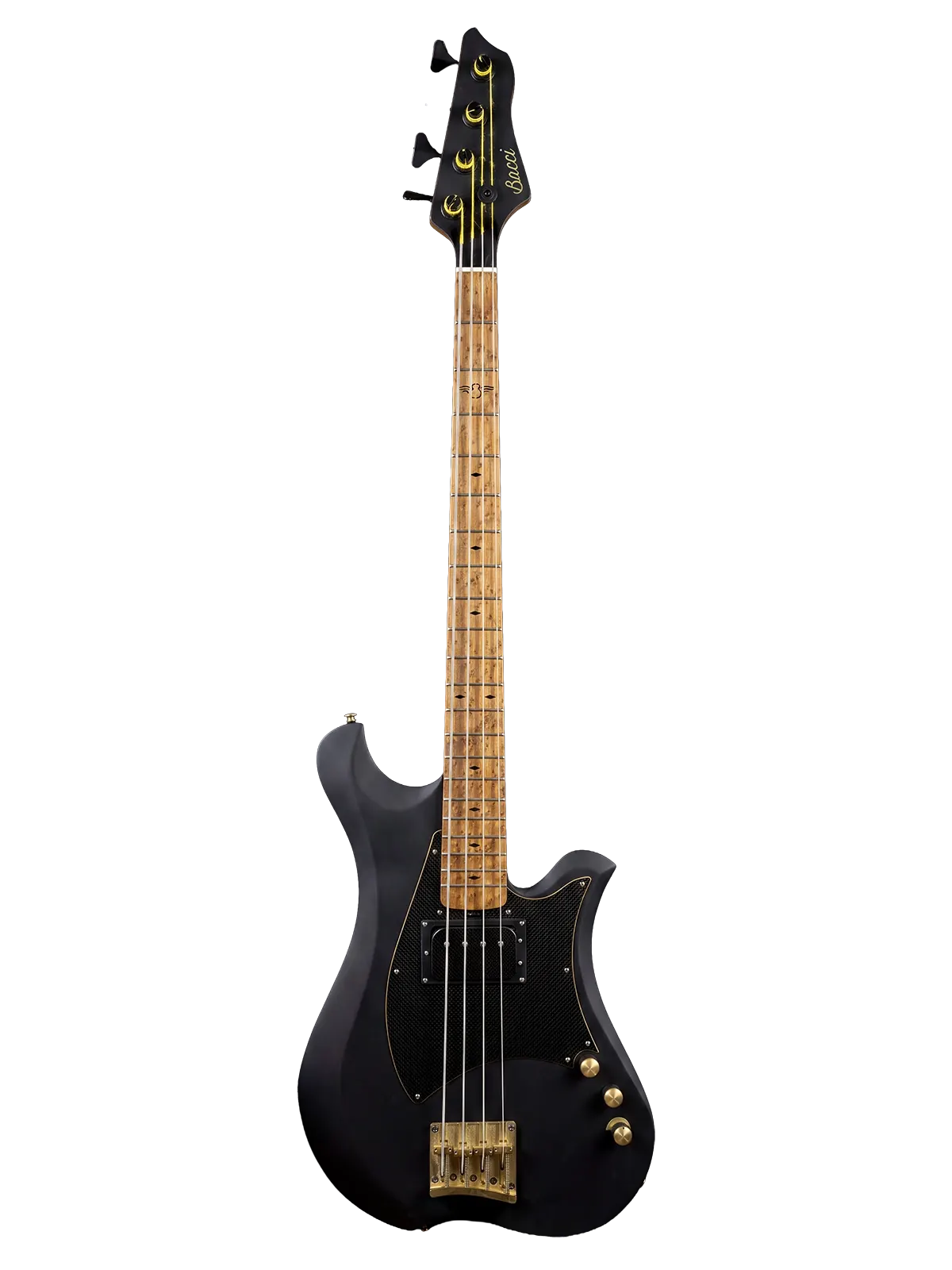
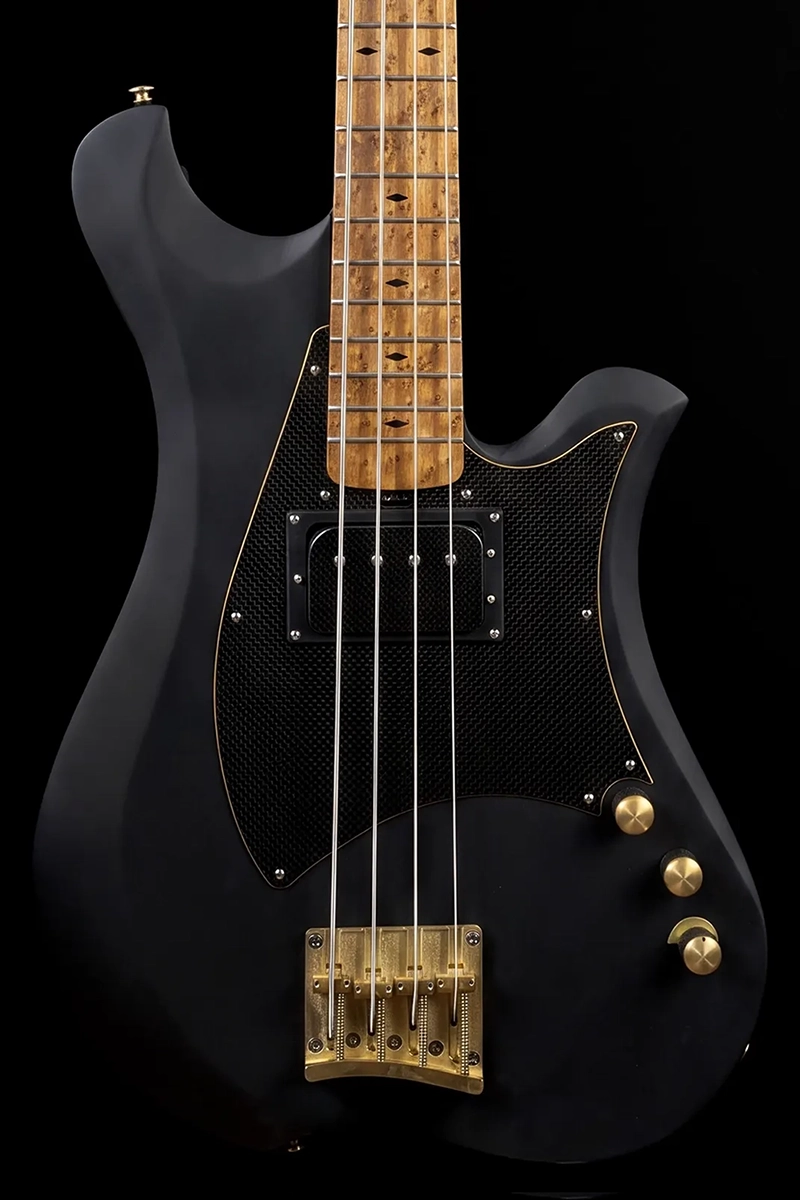
A bass built by taking away: the circuit that colours the sound, the weight that does not hold a note, the shape that fights you sitting down. What is left is passive, light, and honest about what your hands are doing.
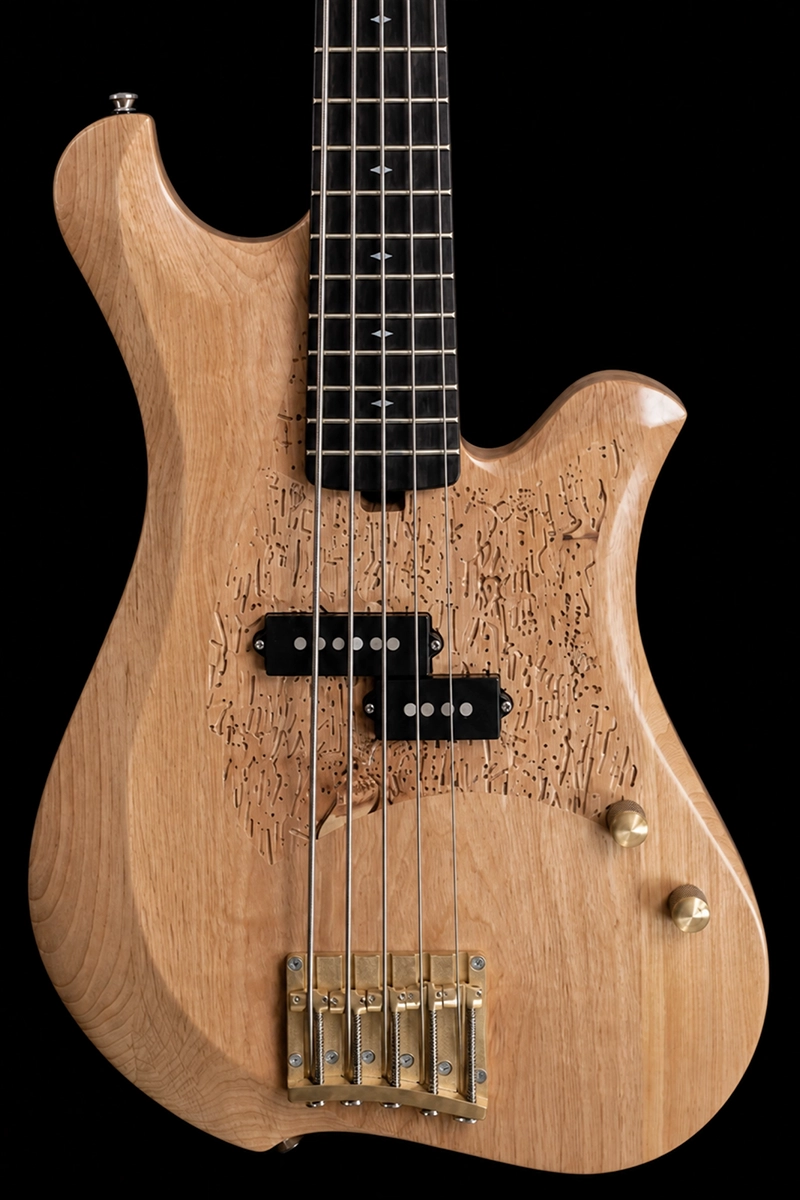
The Amrita was Michael League’s signature bass, built from worm eaten wood that has almost run out, and it is out of production. The Marlita is its heir, a limited edition made from the little of that wood still left, and the run will close when the wood does. The Marleo is the model that gives the collections their shape. Every bass has been, is, and always will be drawn around the specifications of the person who is going to play it.
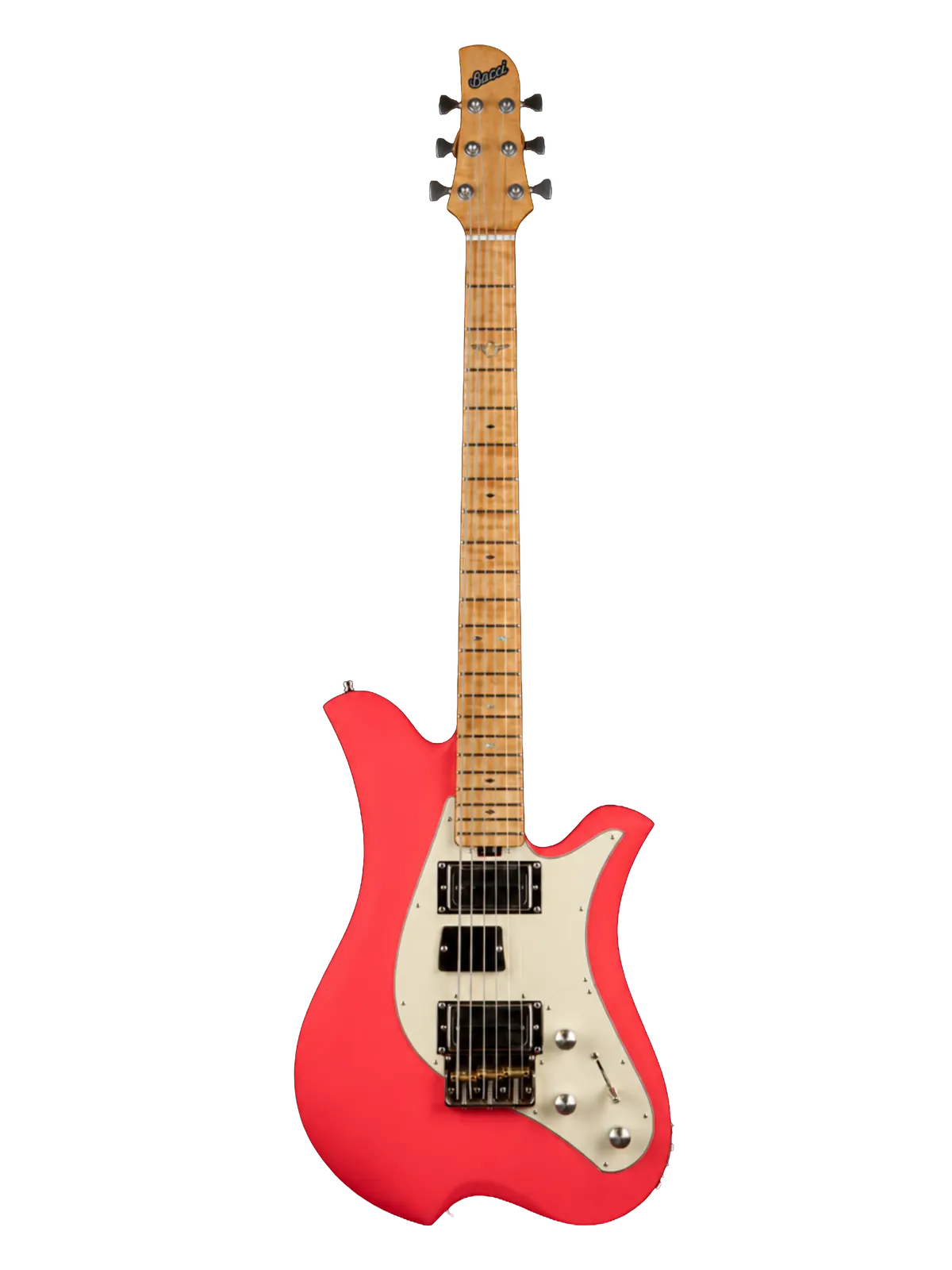
No one else in the world builds one. Two outputs on a single baritone, the low strings to a bass amp and the high ones to a guitar amp, and suddenly one pair of hands fills the whole room. In the first five frets live thirty notes that exist neither on a guitar nor on a bass, and the day you find them you stop being one instrument inside a band. Bruno will tell you it is not a challenge, it is an inspiration: the baritone tells you what to do, and the only thing standing in the way is your own head.
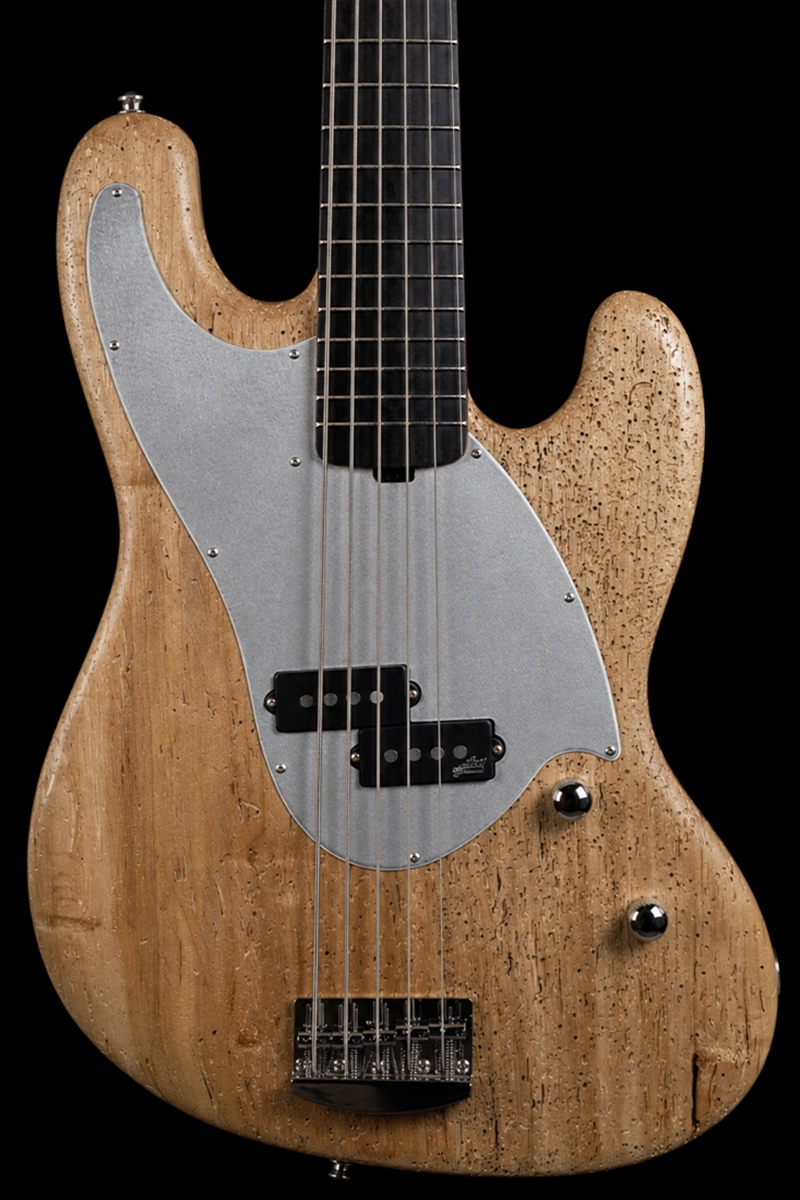
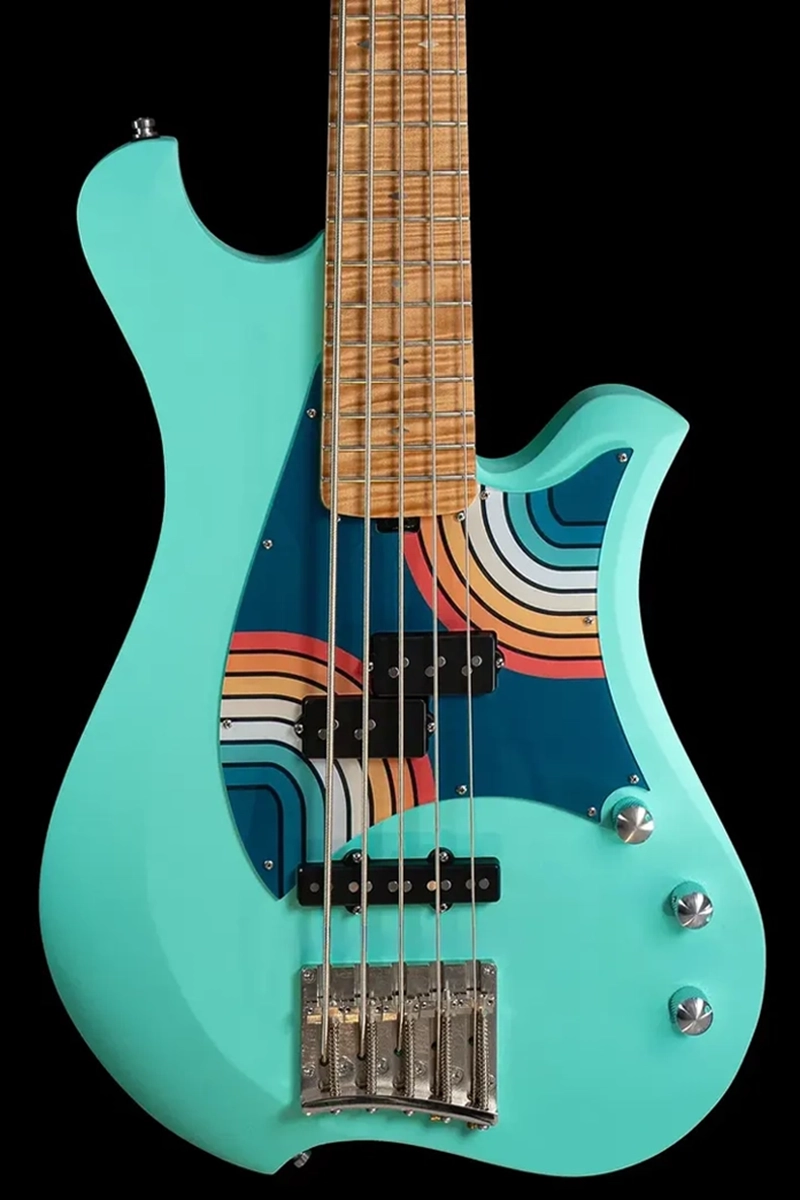
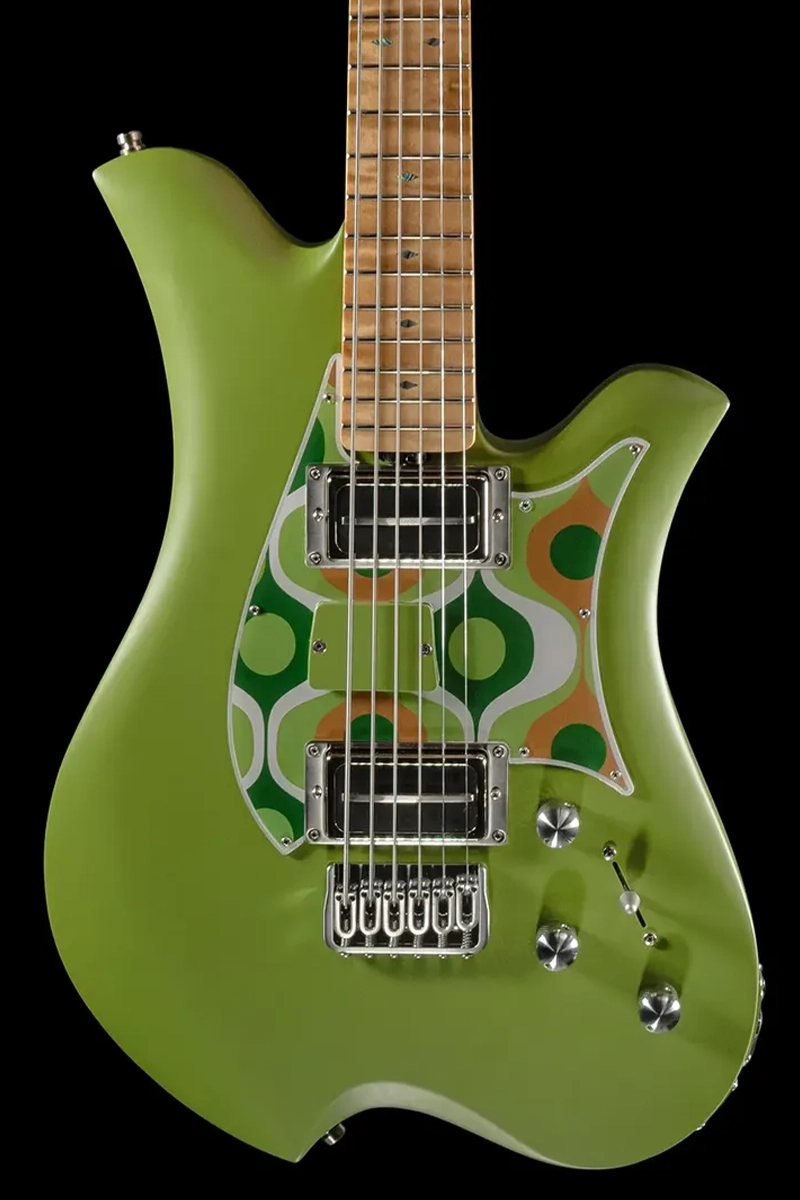
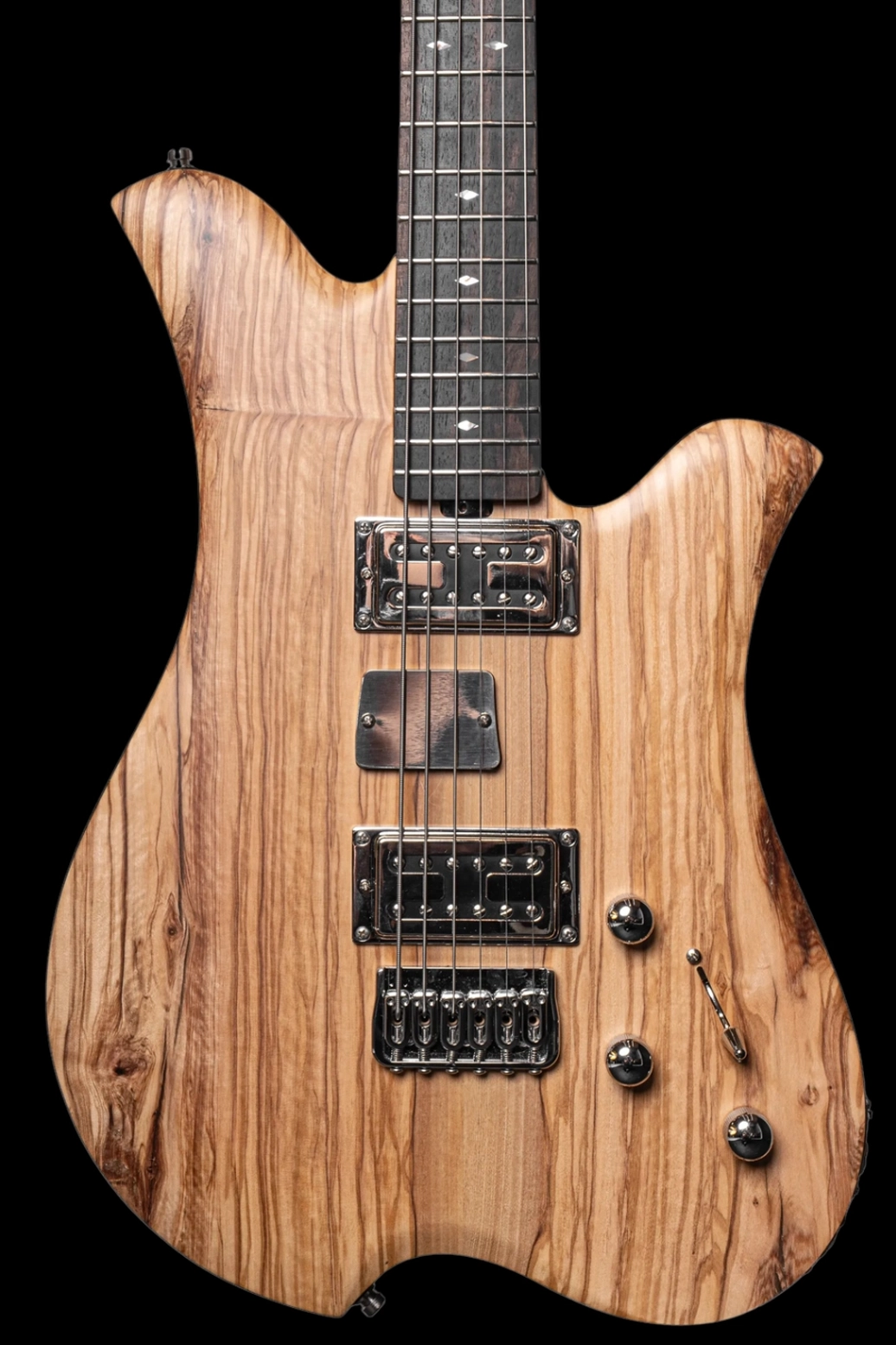
Three ways to dress the same Leonardo. Officina comes out of a paint booth, in Velvet, in Satin, or in the iridescent Radiance. Parato goes straight back to the seventies. Art of Nature skips colour altogether: bare wood, and nothing on top of it.
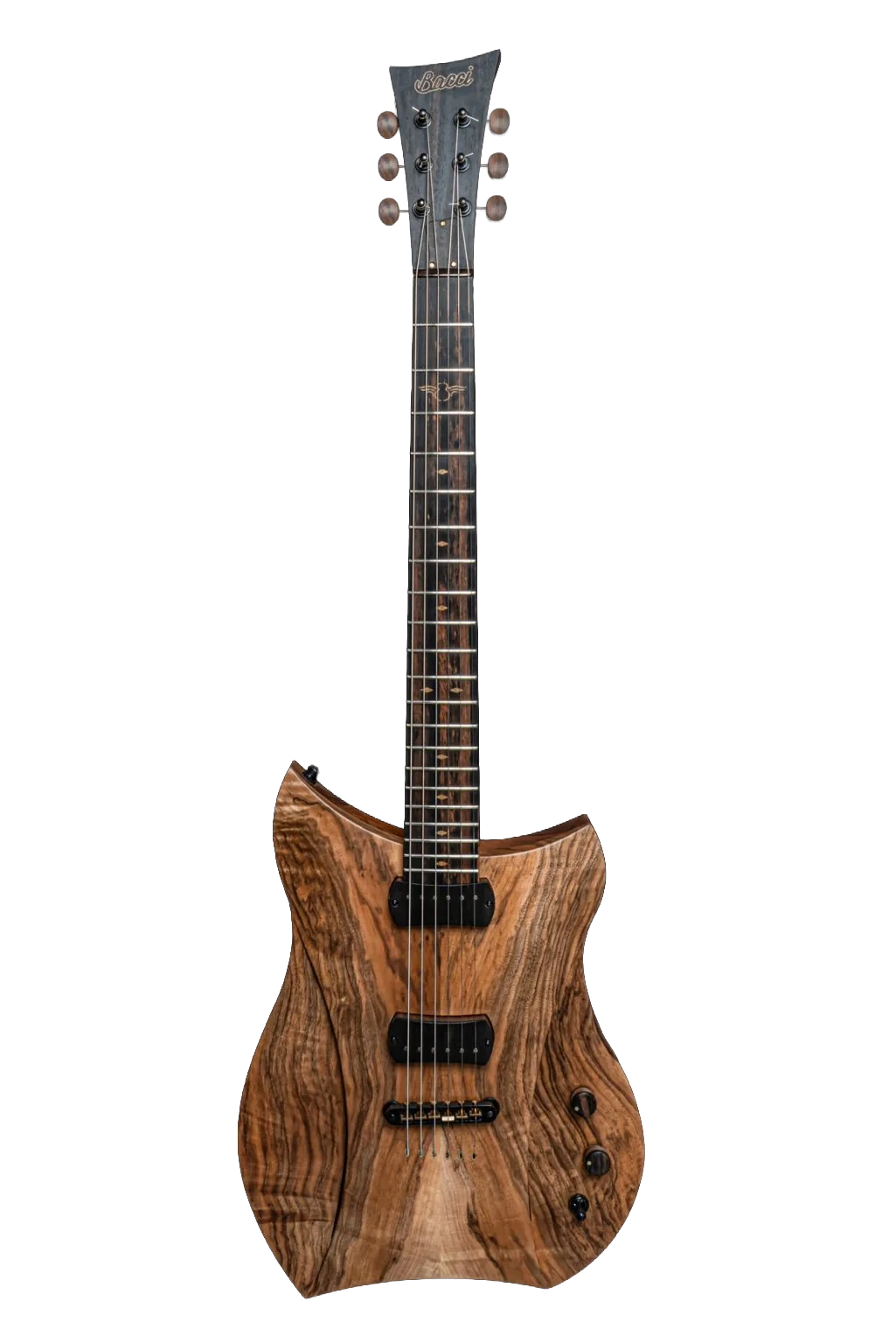
Ten years spent removing everything that stood between wood and sound. Eight prototypes. Seven years alongside architect Eri Goshen. A hollow body reduced to its essential structure, and Kloppmann pickups created for the voice that emerged from it. TOSCA was never designed to improve the guitar we know. It was built to discover what could come after it. Fifty instruments limited edition.
The shape remains. Everything else begins with the wood. Maple, spruce, walnut, each one giving the same fully hollow body a different voice, a different response, a different soul.
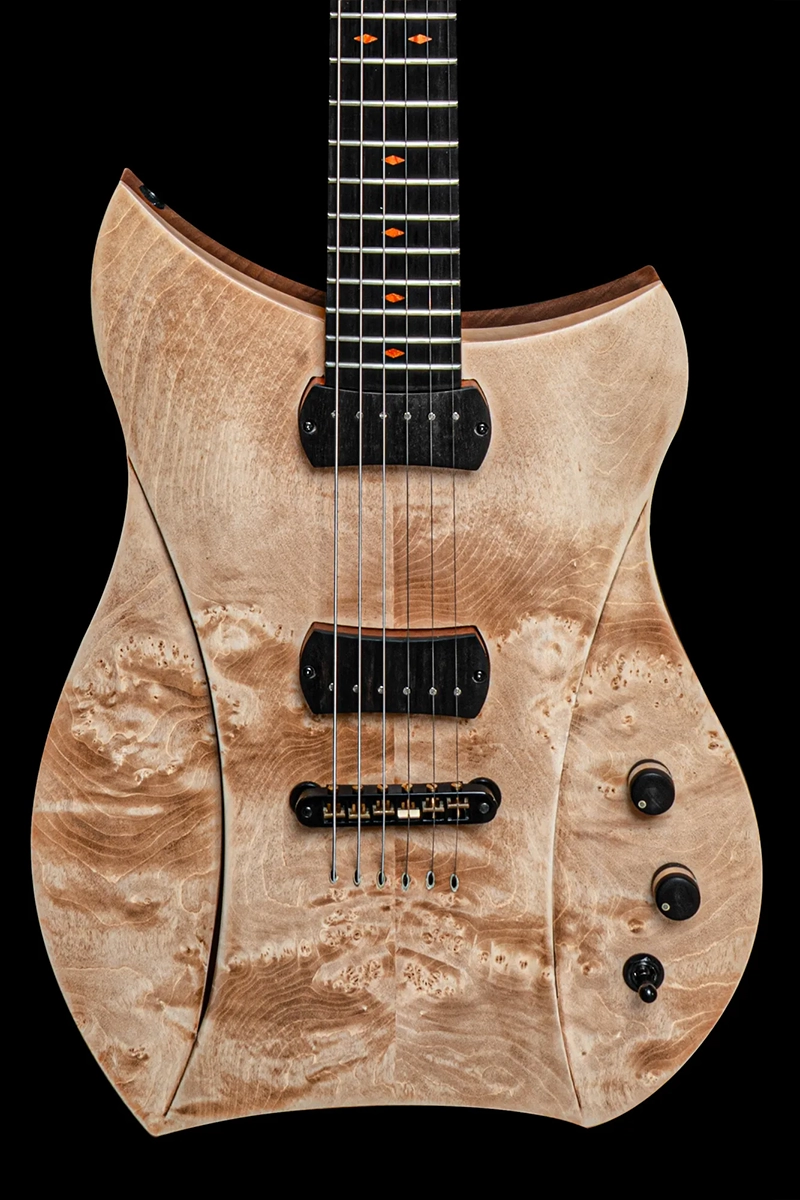 Maple
Maple
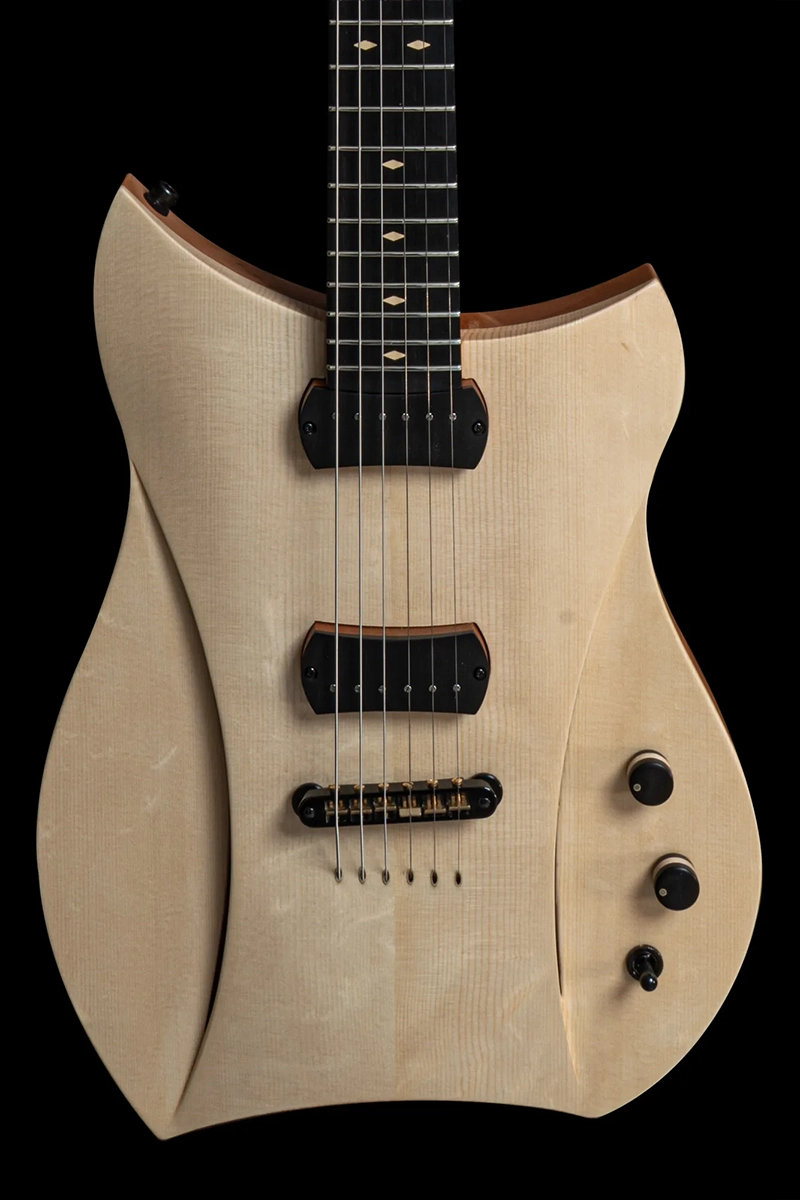 Spruce
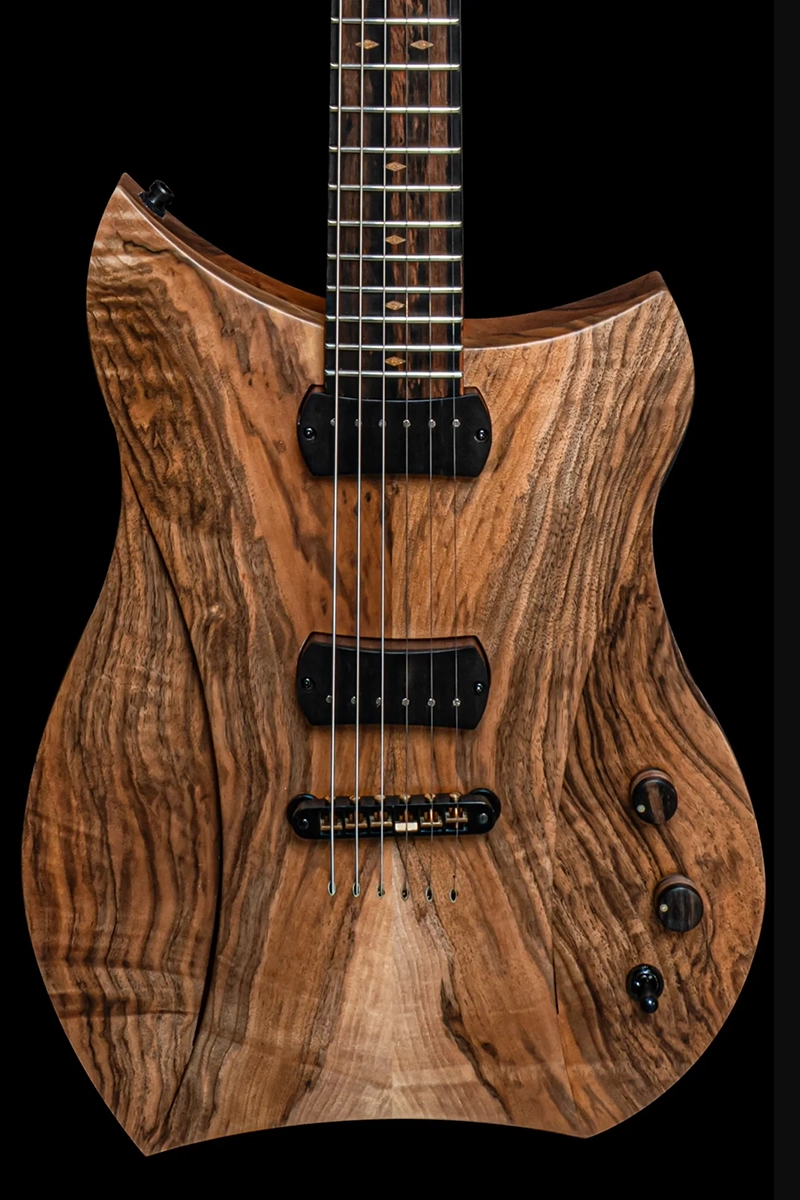 Walnut
A guitar with a longer scale and heavier strings, tuned lower than a standard guitar, usually to B or A. You still play chords, melodies and solos the same way, the whole instrument just sits further down. It is not a bass, and it is not a detuned guitar either: the longer scale keeps the strings under proper tension at those pitches, so the low notes stay tight instead of going slack.
A bass has four to six strings and one job in an arrangement, the bottom. A baritone has six strings and plays like a guitar, with chords and melodies, only lower. The overlap is real, the roles are not the same: a bass holds the root, a baritone can cover the low end and still play everything a guitar plays. On the Bacci Leonardo that overlap becomes literal, because two independent outputs send the low strings to a bass amp and the high ones to a guitar amp at the same time.
Yes. The tuning is the same shape moved down, so every chord and scale you already know still works, you are just playing them lower. The strings are heavier and the frets are further apart, which takes a few hours to get used to, and after that it is a guitar.
An electric guitar with nothing solid inside the body, so the top is free to move the way an acoustic top does. It gives a rounder, more open note with a longer decay, and it reacts more to the room and to how hard you play. The trade off is feedback at high volume, which is why the pickups and the way the body is built matter so much on this kind of instrument.
A semi hollow has a solid block of wood running down the middle of the body, with hollow wings on either side. A fully hollow body has nothing inside at all. The block tames feedback and tightens the low end, which is why semi hollows are far more common. Taking it away gives a rounder, more acoustic note, and asks a great deal more of whoever builds the instrument. The Bacci Tosca is fully hollow.
They can, at volume and close to the amplifier, because the top is free to move and the amplifier is moving air. Most of the time it is a matter of where you stand: turn away from the speaker, step back a little, or roll off some low end and it settles. How the body is built matters just as much, which is why a fully hollow instrument has to be drawn with feedback in mind from the start.
On a solid body the argument has been going on for fifty years. On a hollow body there is much less to argue about: with no block inside, the top and the back are doing the work, and the wood turns up in the attack, in the sustain and in the way the note fades. It is why the Tosca exists in maple, spruce and walnut, and why the same guitar in three woods is three different instruments.
A passive bass sends the pickups straight to the output, with no battery and no circuit in between. An active bass carries a preamp on board that boosts and shapes the signal before it leaves the instrument. Active gives more control and a hotter output, passive gives whatever the wood and the pickups actually do, which is why a lot of players go back to it.
Four covers almost everything ever recorded and stays out of the way. Five adds a low B, which matters with keyboards, in drop tunings, or in music written below E. Six adds a high C and turns the bass into a chordal and soloing instrument. More strings mean a wider neck, so the honest answer is the fewest that cover the music you actually play.