What the wood decides.

Bacci GuitarsPescia, Tuscany
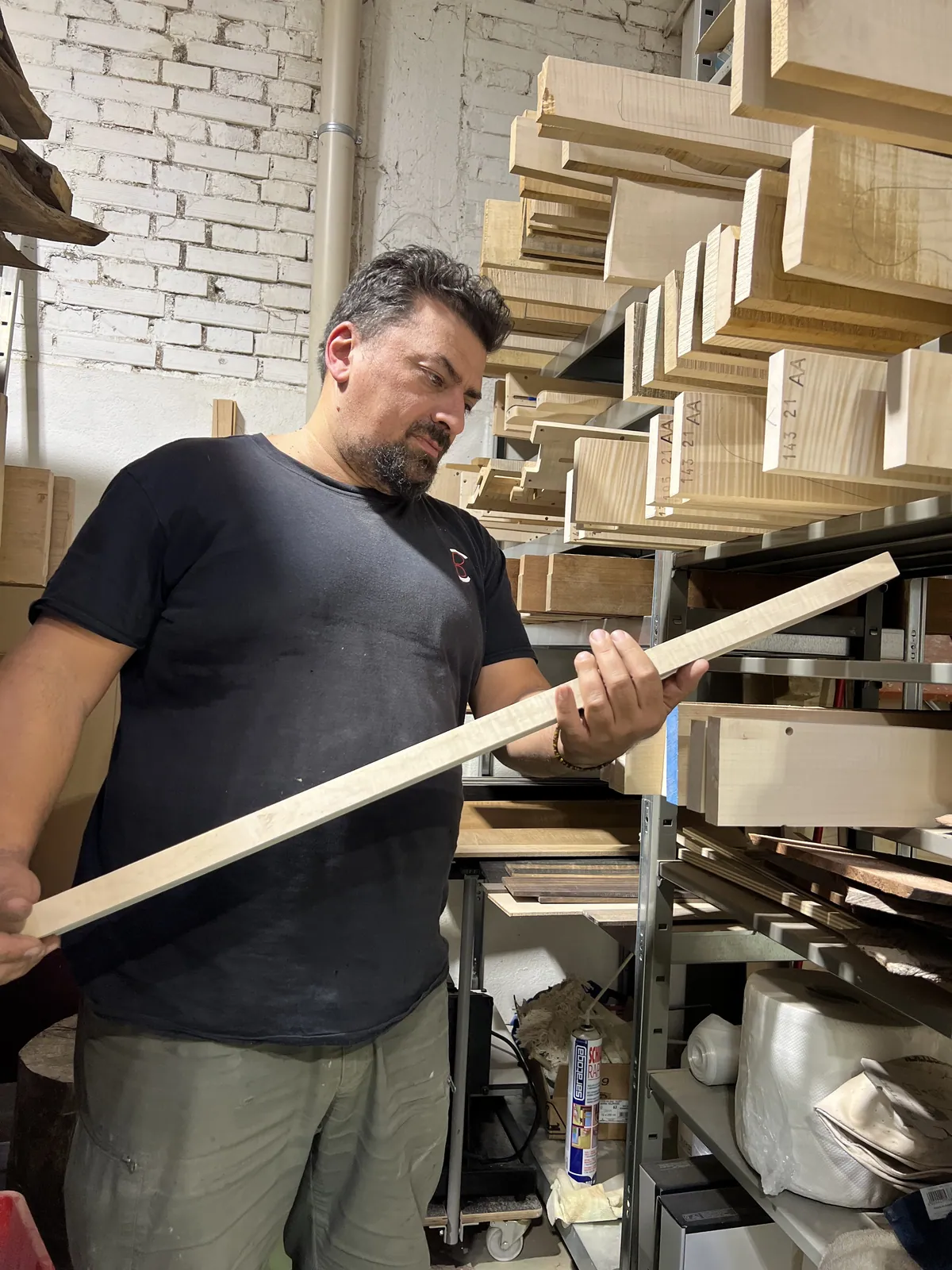
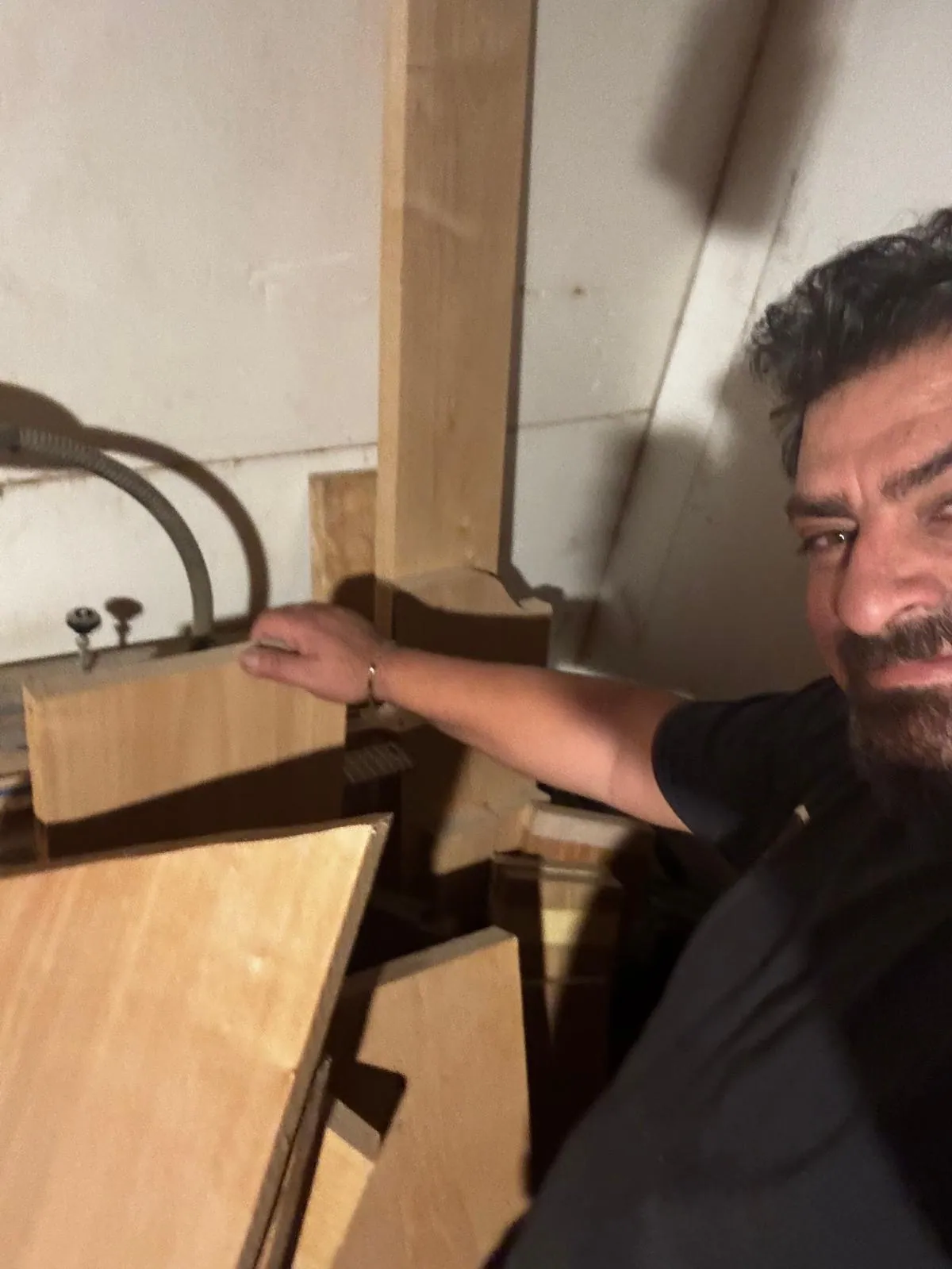
The first decision in any Bacci is made long before the drawing, the scale or the pickups. It is made standing in a cold shed, in front of a rack of boards, with a hand on the wood. Everything that follows, the voice, the weight, the way the instrument answers when you lean on it, is already half written by the piece that gets carried out of that room.
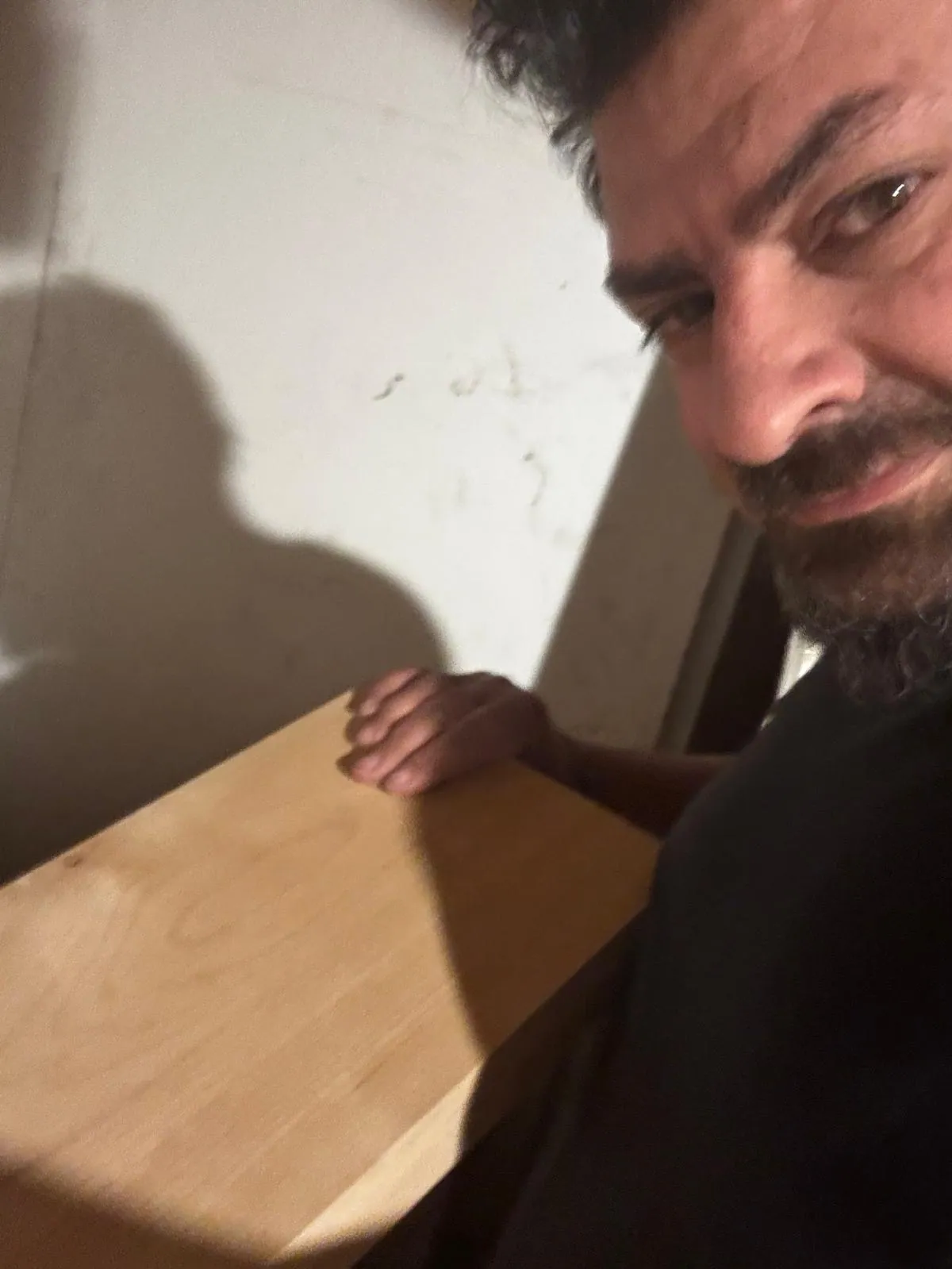
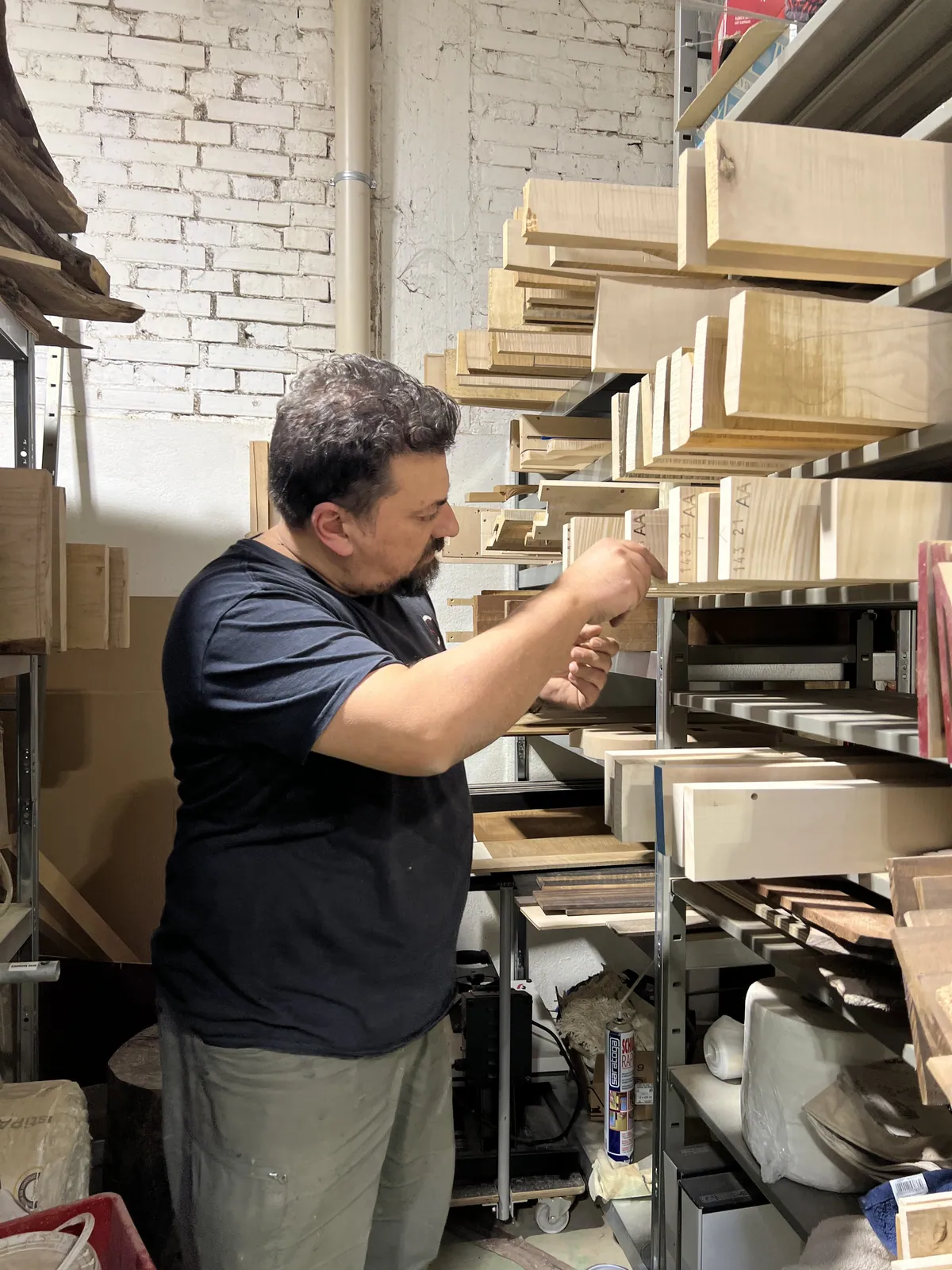
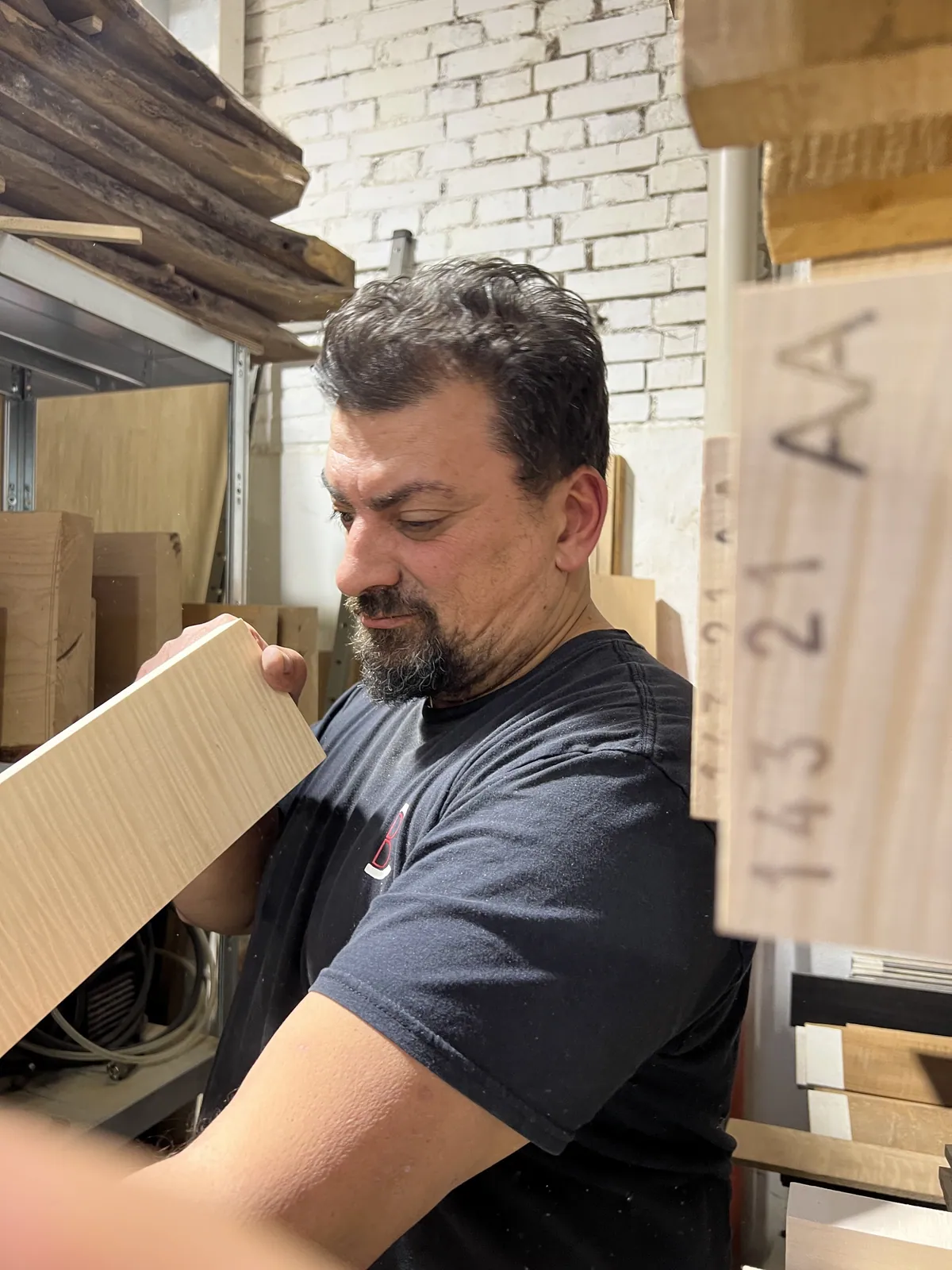
Bruno chooses each piece by feel, moving through a sequence that looks something like a dance, listening for its voice before the first cut. It is the part of the work that cannot be delegated and cannot be ordered by catalogue number, because two boards cut from the same tree are not the same instrument.
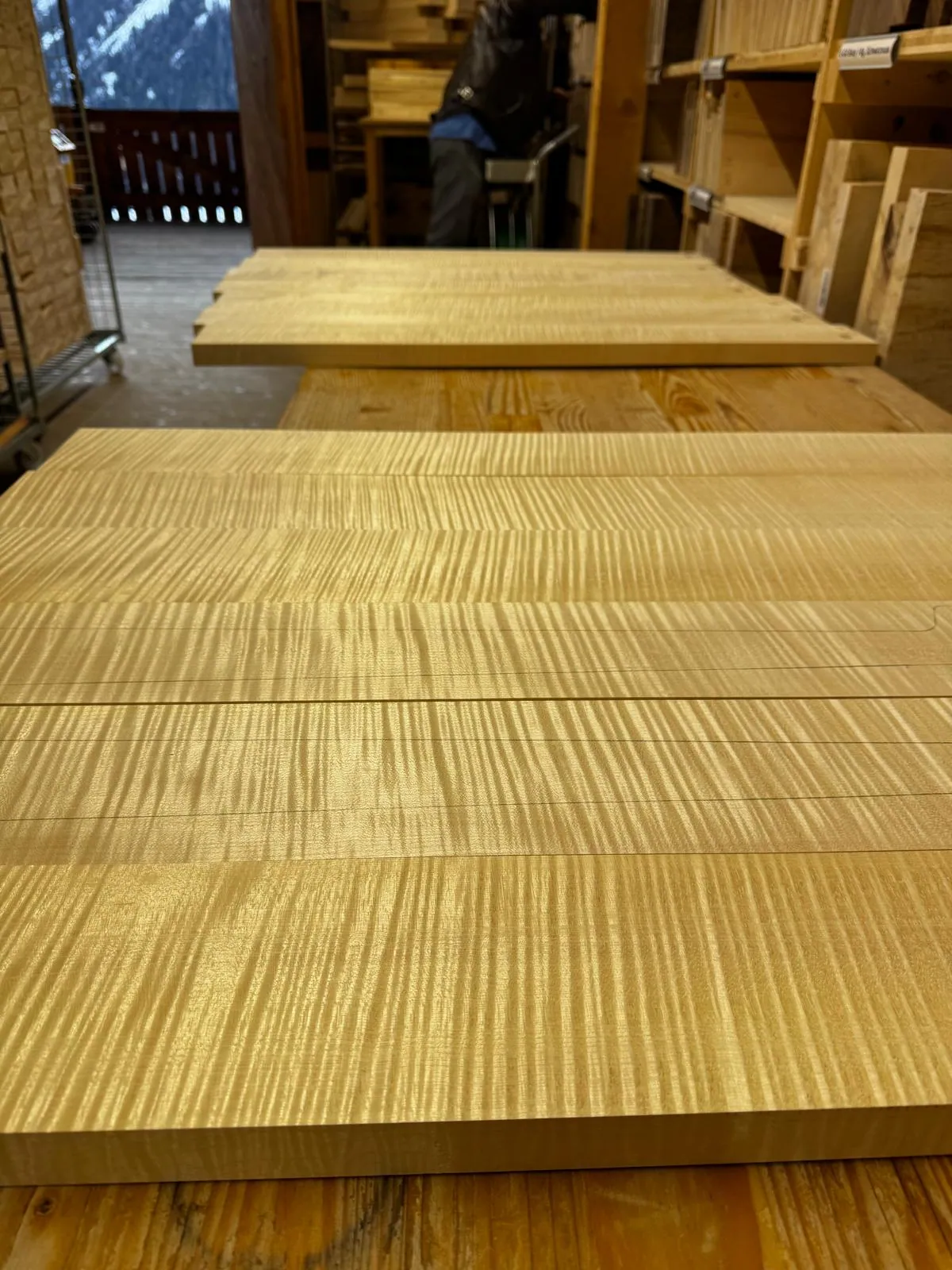
Art of Nature baritones are never painted. Olive, walnut, maple and spruce, left on display, so what you see and hear is the tree.
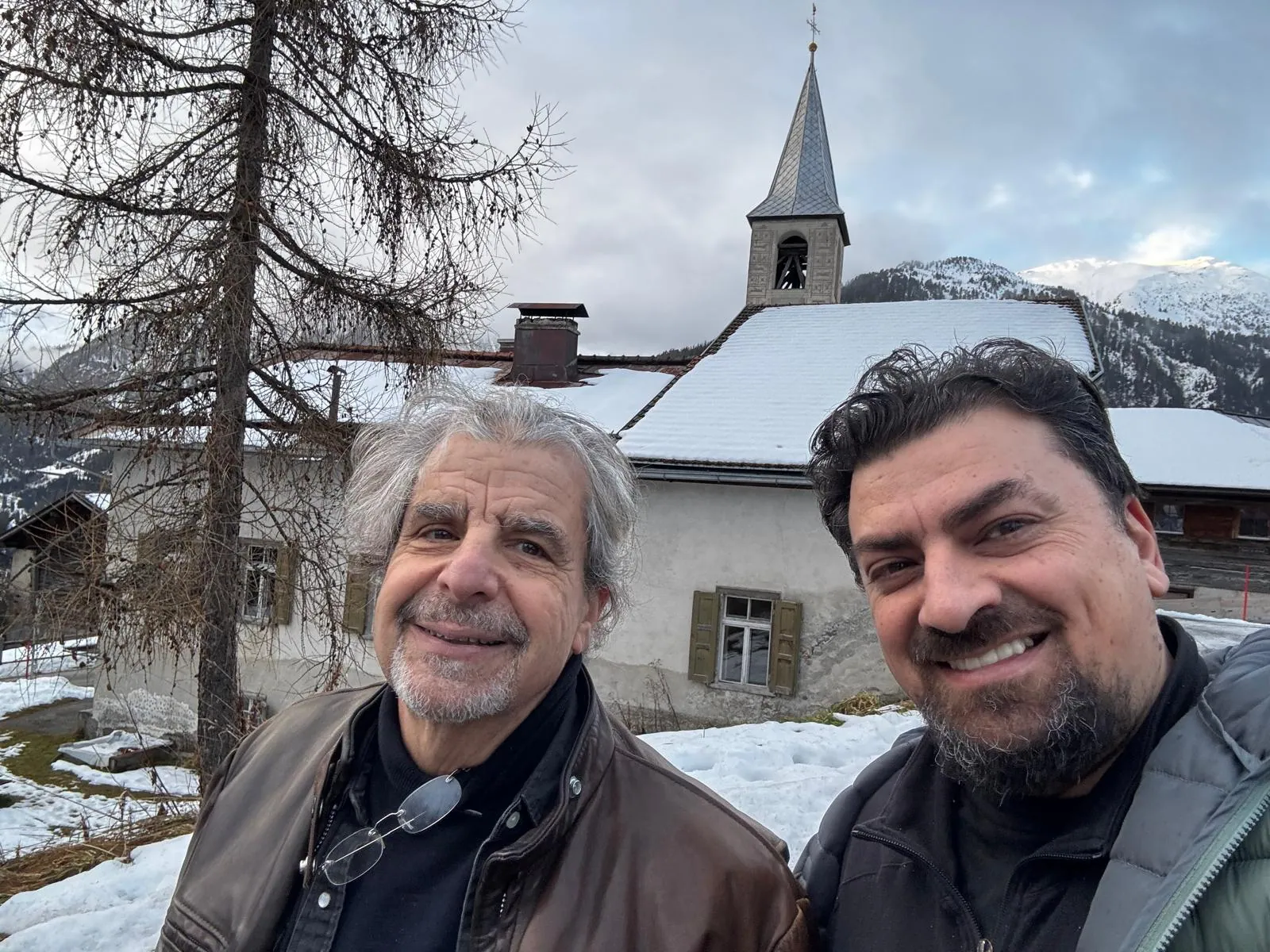
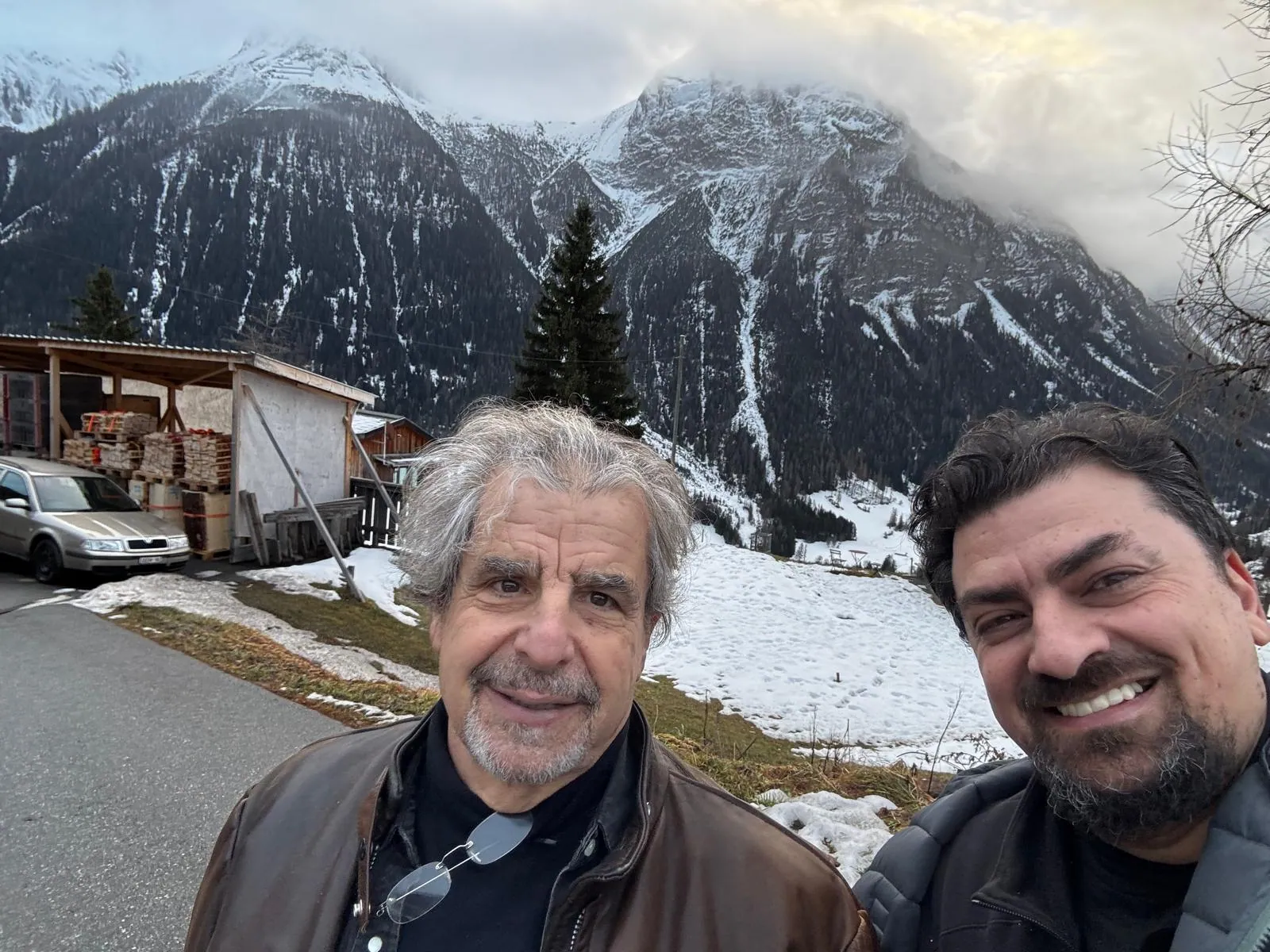
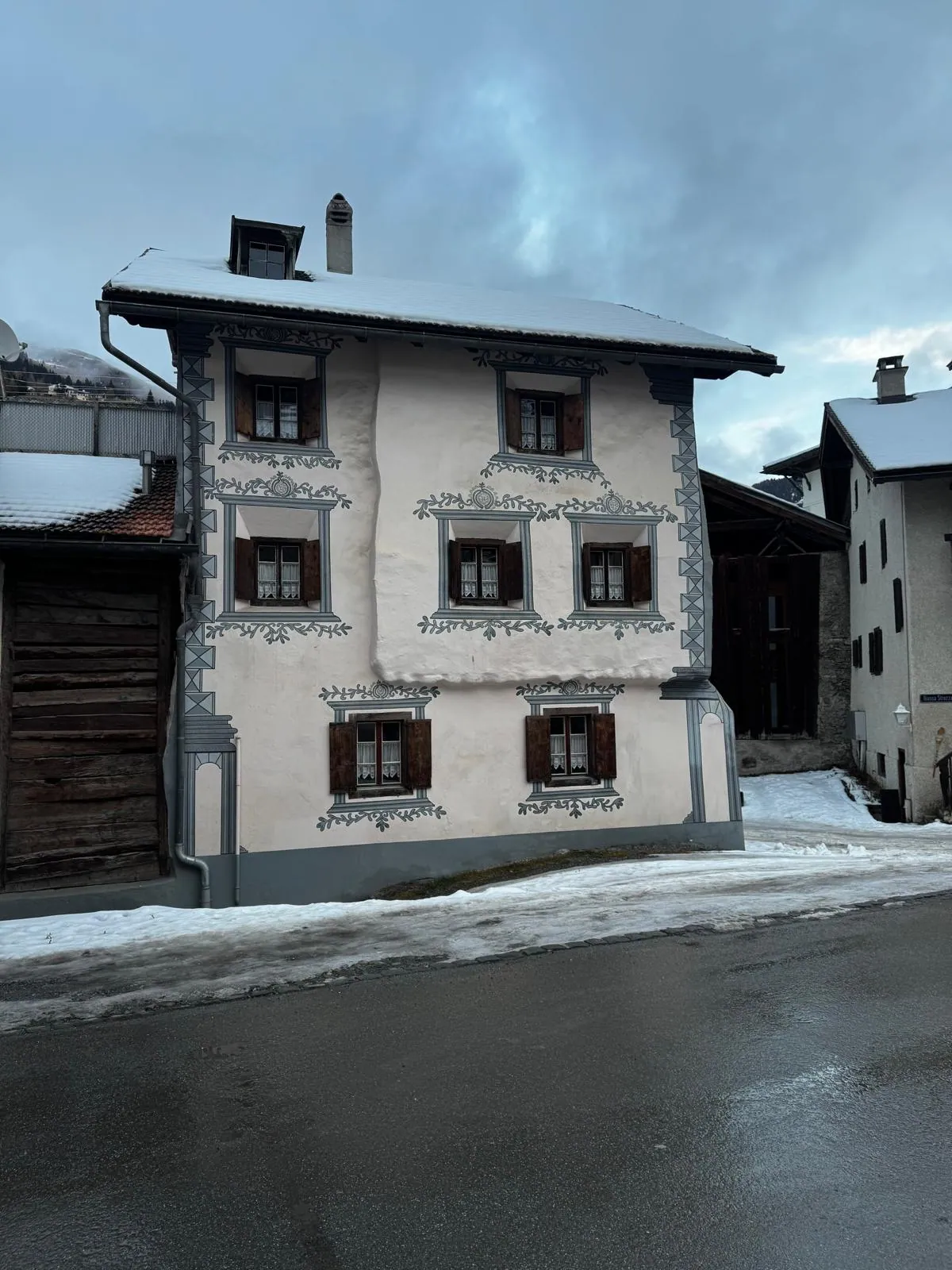
Joe Glaser runs Glaser Instruments in Nashville, one of the most respected repair benches in the world, and the shop where the Glaser B‑Bender was designed. Two makers out of two different traditions, a Tuscan builder and a Nashville one, on the same errand on a cold morning: a yard in the mountains, snow on the street, racks of boards under a low roof.
What they were doing is the oldest part of the job. You pull a board, you hold it up, you turn it, you put it back. Most of them go back.
A maker at this level is auditioning the wood rather than buying it, and the pieces that pass get carried home and left to wait. Bruno keeps the finest tops for years, until the right instrument comes along to need them.
Today the walnut told me where to stop.Bruno Bacci, from the bench
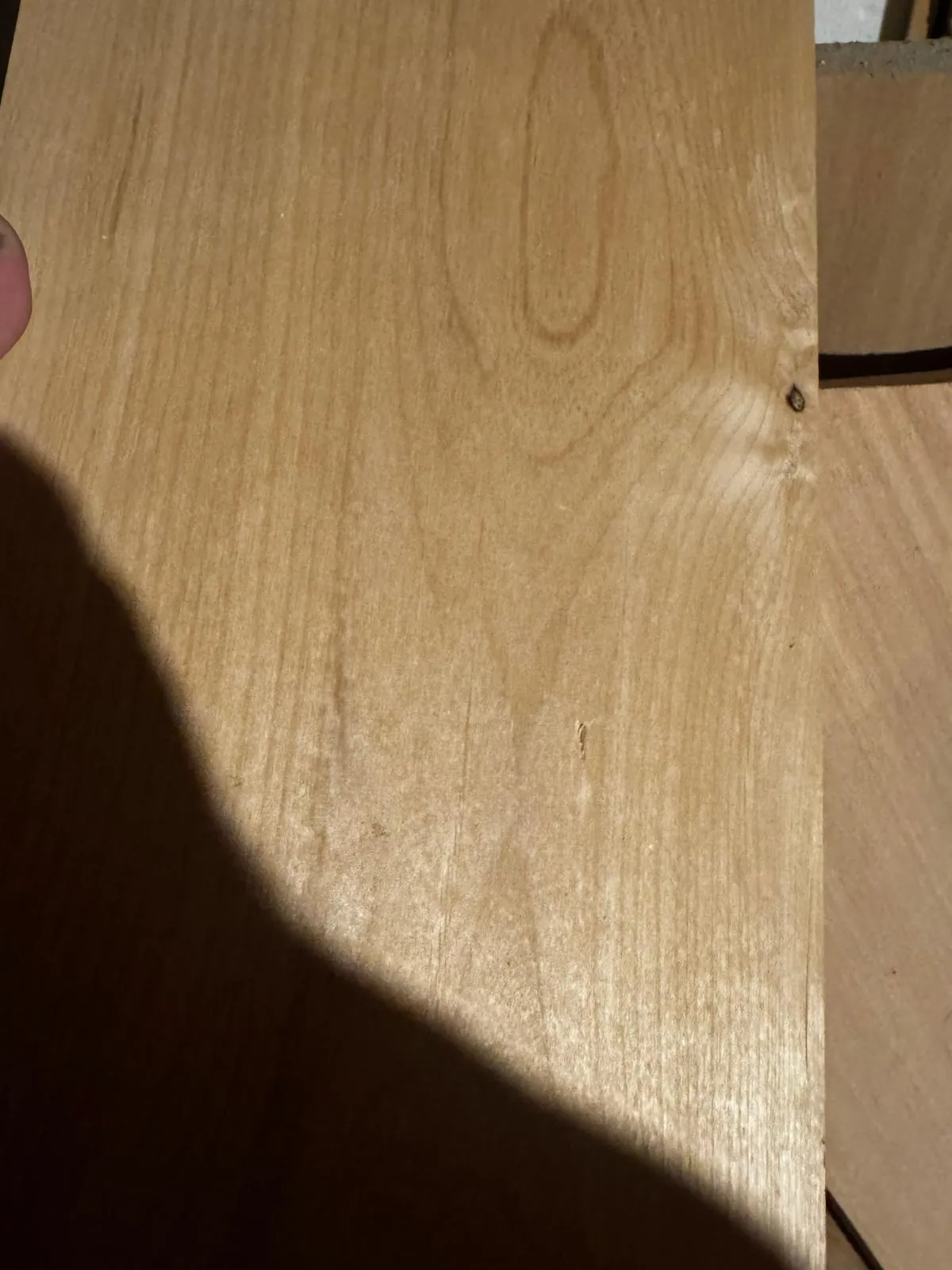
A board goes up against the window first, because light is the fastest way to read figure, and figure is the first clue to how stiff the piece will be along its length. Then it comes down to eye level and gets sighted along the edge, the way you would sight a rifle, looking down the grain to see whether it runs straight through the board or runs out of it. Then it gets turned over, tapped, weighed in the hands.
The racks carry their own notes: a grade, a batch, a year, chalked or stamped on the end of each blank. Those numbers say when the wood was cut and how long it has been standing still. A top that is still moving is a top that will move again once it is an instrument, which is why the best pieces are the ones nobody is in a hurry to use.
Olive, walnut, maple and spruce, chosen for voice and grain, never colour.
Respiro, hollow with tonal chambers, and Soffio, semi‑hollow with Bacci sound holes.
Every top is read, matched to a neck and tuned as a single instrument.
Twenty seconds down the aisles, where a Bacci starts.
Three days at the bench in Pescia with Bruno, choosing the woods by hand and finishing your own instrument.
A rare top is not a decoration. It is the voice, waiting to be freed, and every wood in the workshop has a place it belongs.
Warm and singing, with a dense complex grain that reads across a room. Bruno keeps the finest olive burls for years, waiting for the right instrument.
Noce carries the hollow‑body Tosca, fifty numbered instruments, and sits among the four Art of Nature tops on a mahogany or ash body.
Figured maple is hand‑matched to its own body, neck and body tuned to each other before anything else is settled.
Alder carries the Marleo bass and the whole Parato line. The Marlita uses woodworm alder, and it is limited while the wood lasts.
Tell Bruno what you hear, and the instrument is built around that piece of wood.
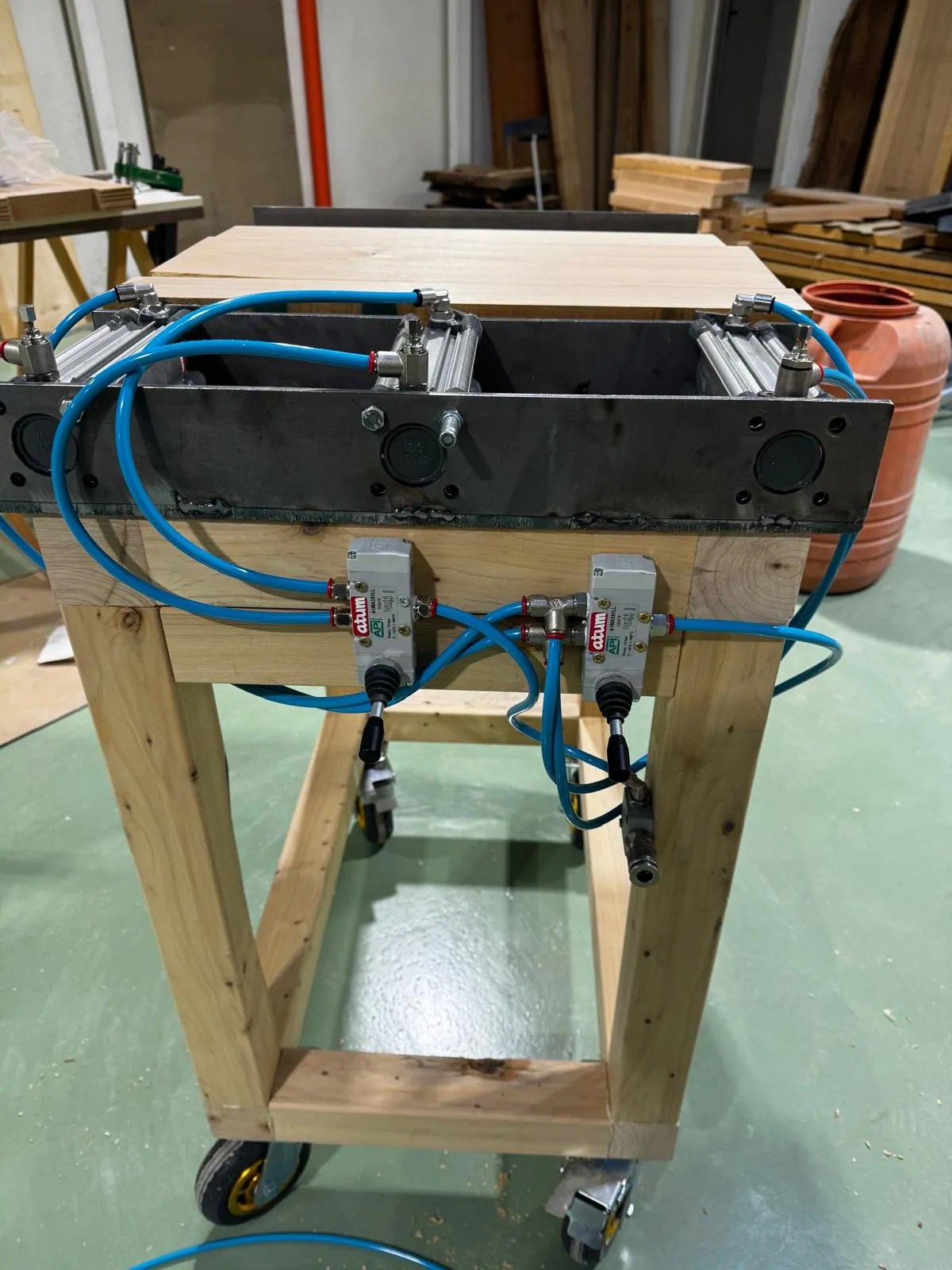
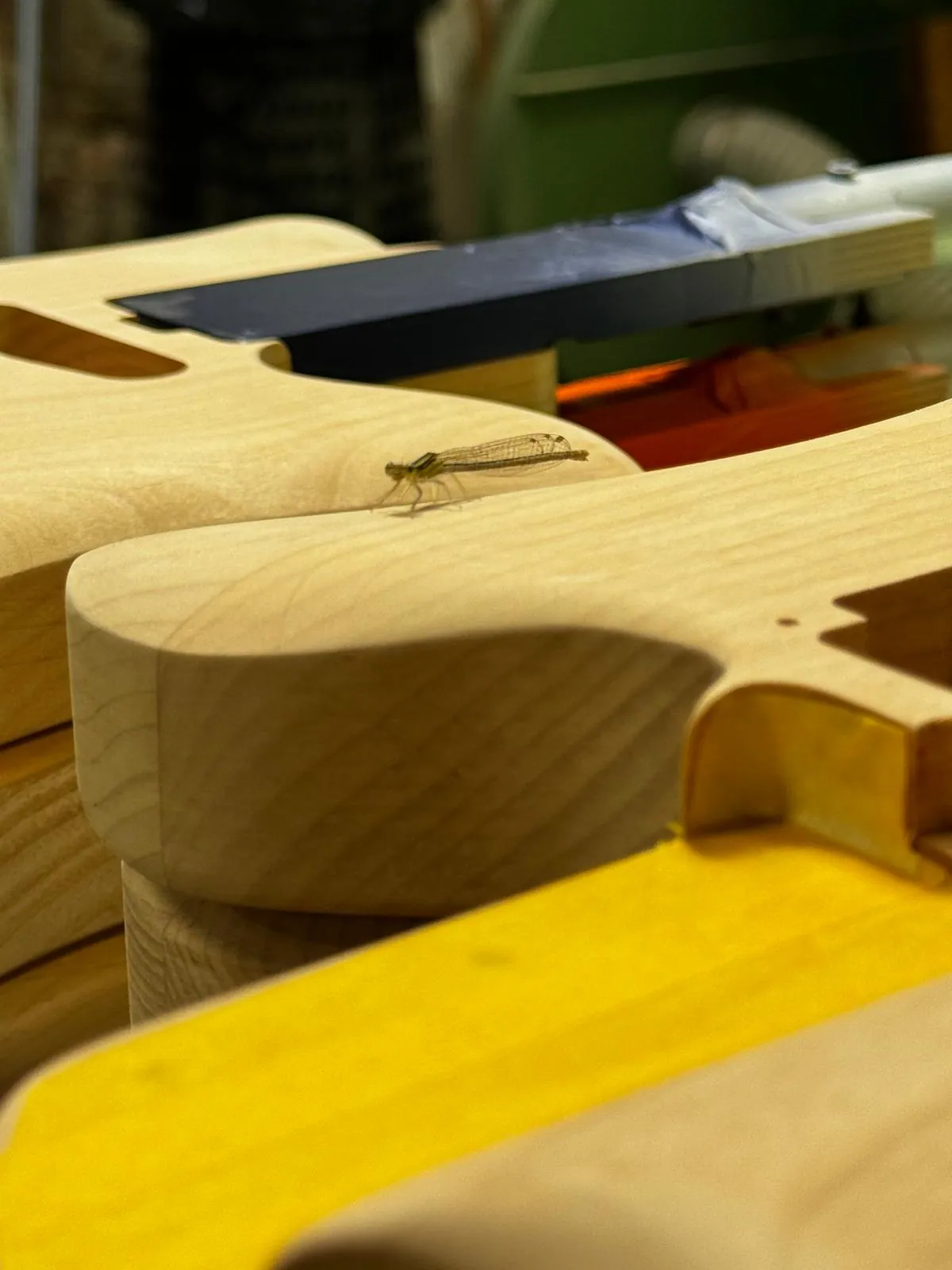
Back in Pescia the chosen piece stops being timber and starts being an instrument. It is cut, glued under vacuum, carved, and then set against the neck that was picked for it, because Bruno tunes the two together until, in his own phrase, they resonate in the same key. Eight frames from the store to the bench.
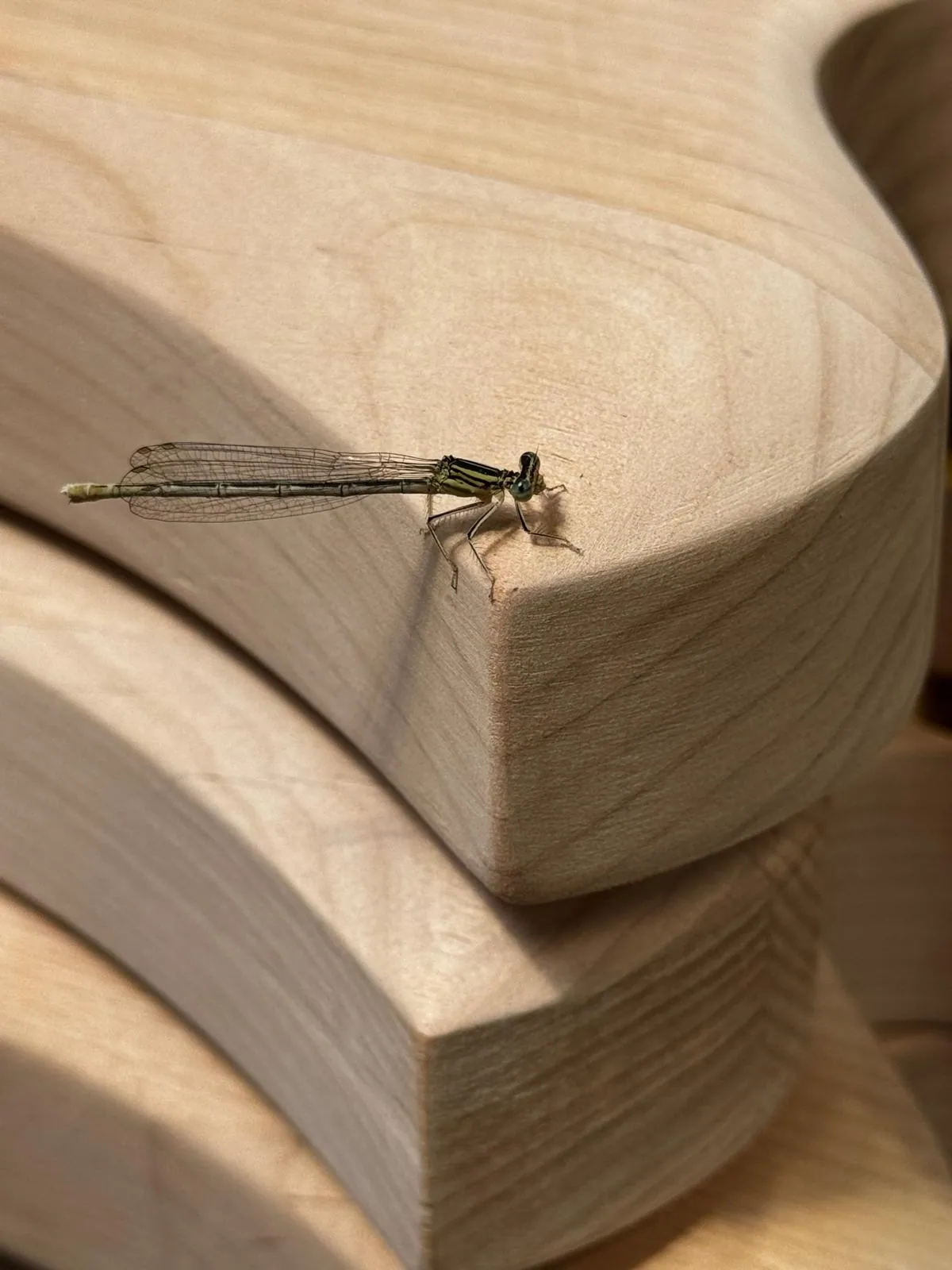
“What you hear is the tree as much as the build.”
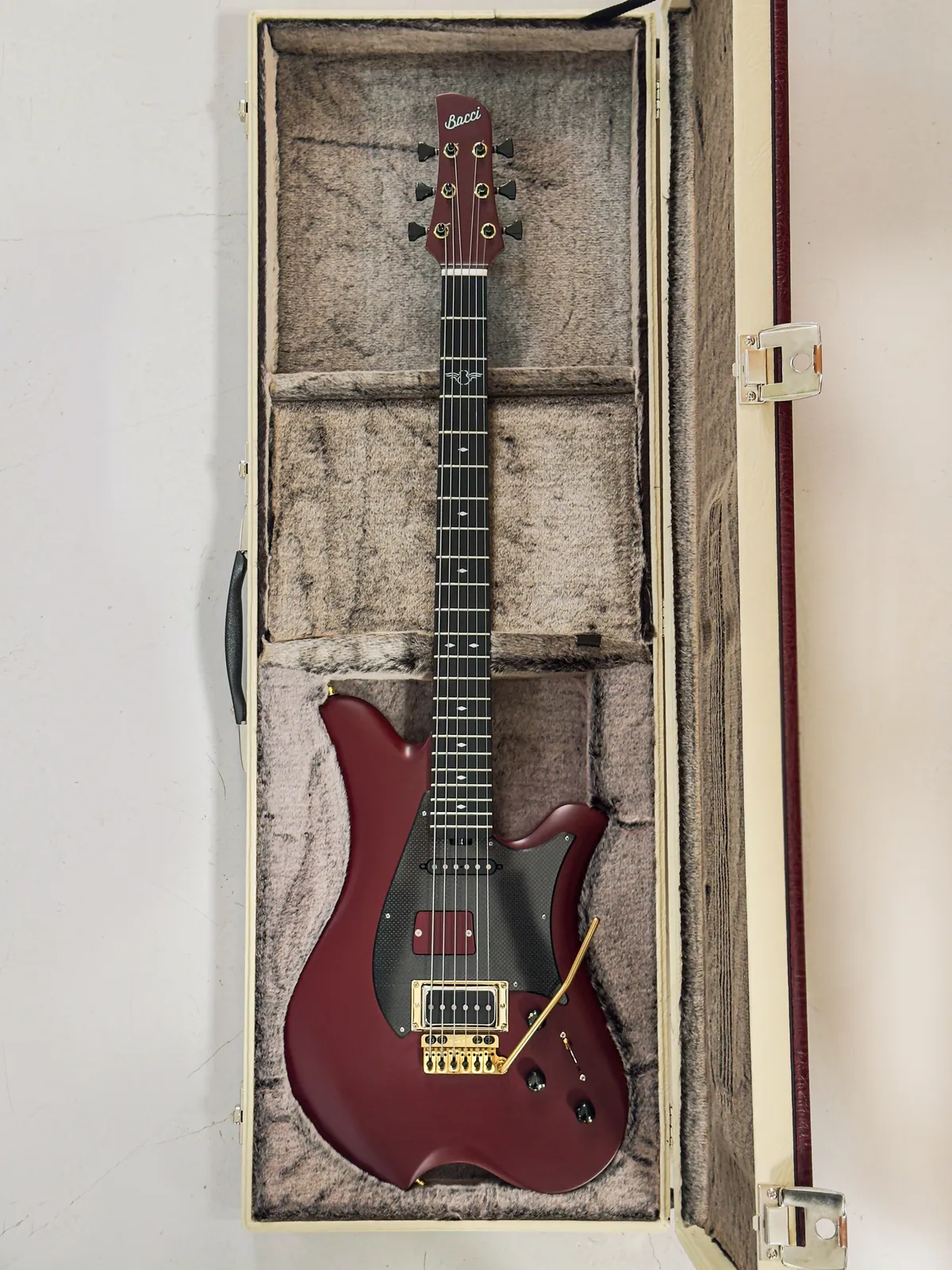
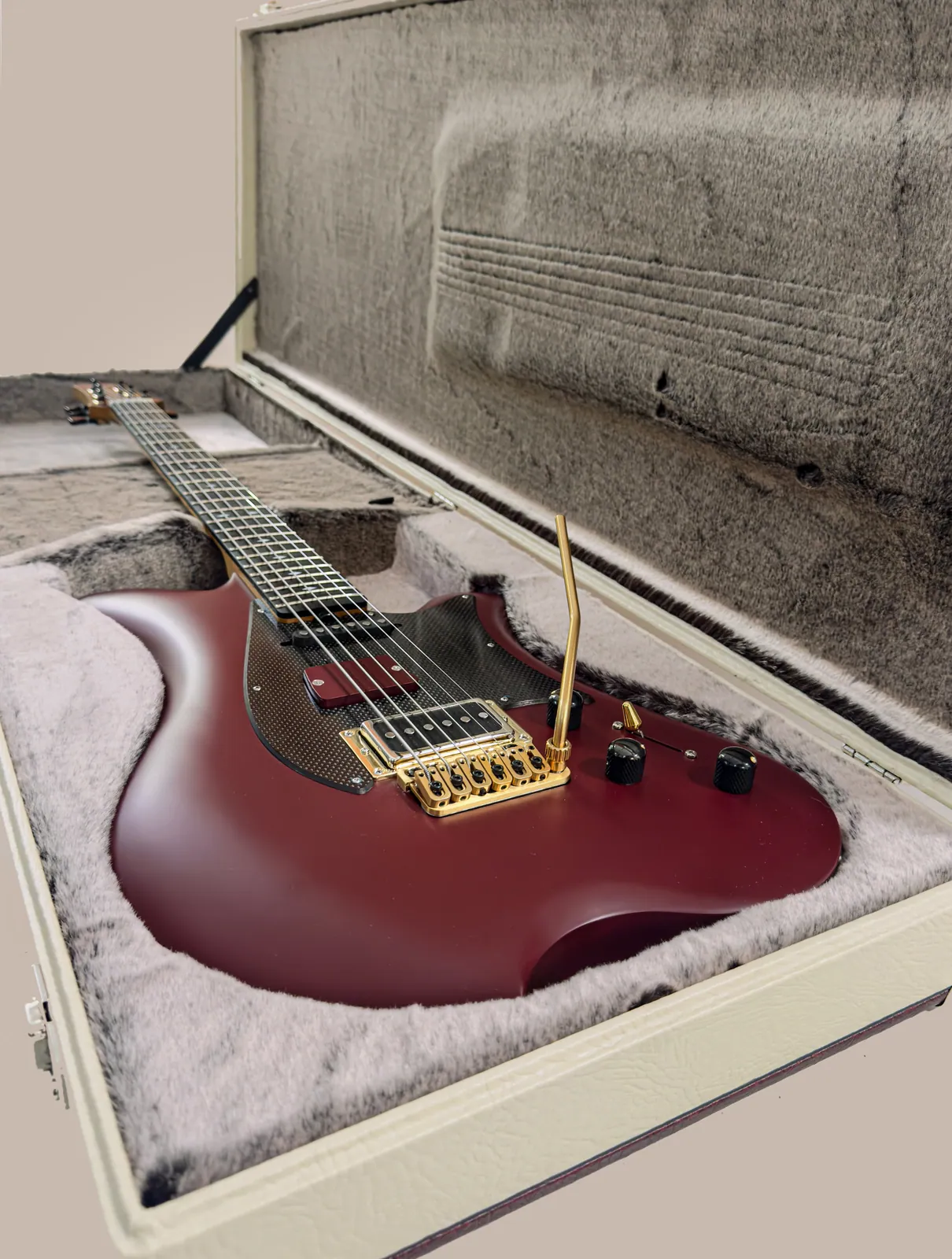
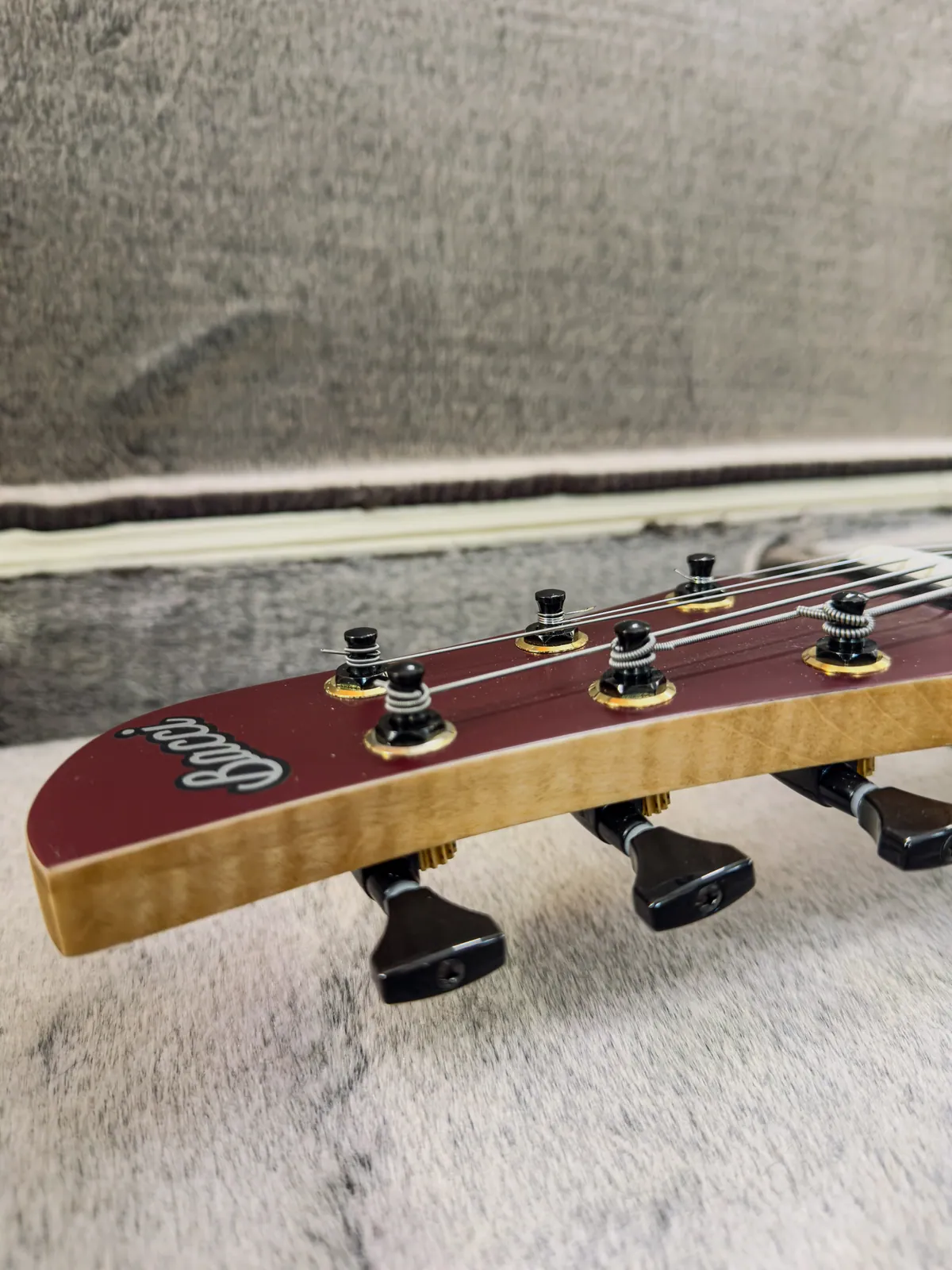
On every Art of Nature baritoneThe piece that came out of that store became a Leonardo Officina baritone in Satin Cabernet, gold hardware, a maple face on the headstock, laid in its case on the day it was finished. One instrument, from a rack in the mountains to a player’s hands.
Olive burls and spruce boards put aside years ago, tops that never reach the catalogue. Tell Bruno what you hear, and the instrument is built around that piece of wood.
Every Bacci is designed, built and set up by Bruno, one at a time, by the maker who chose the wood.