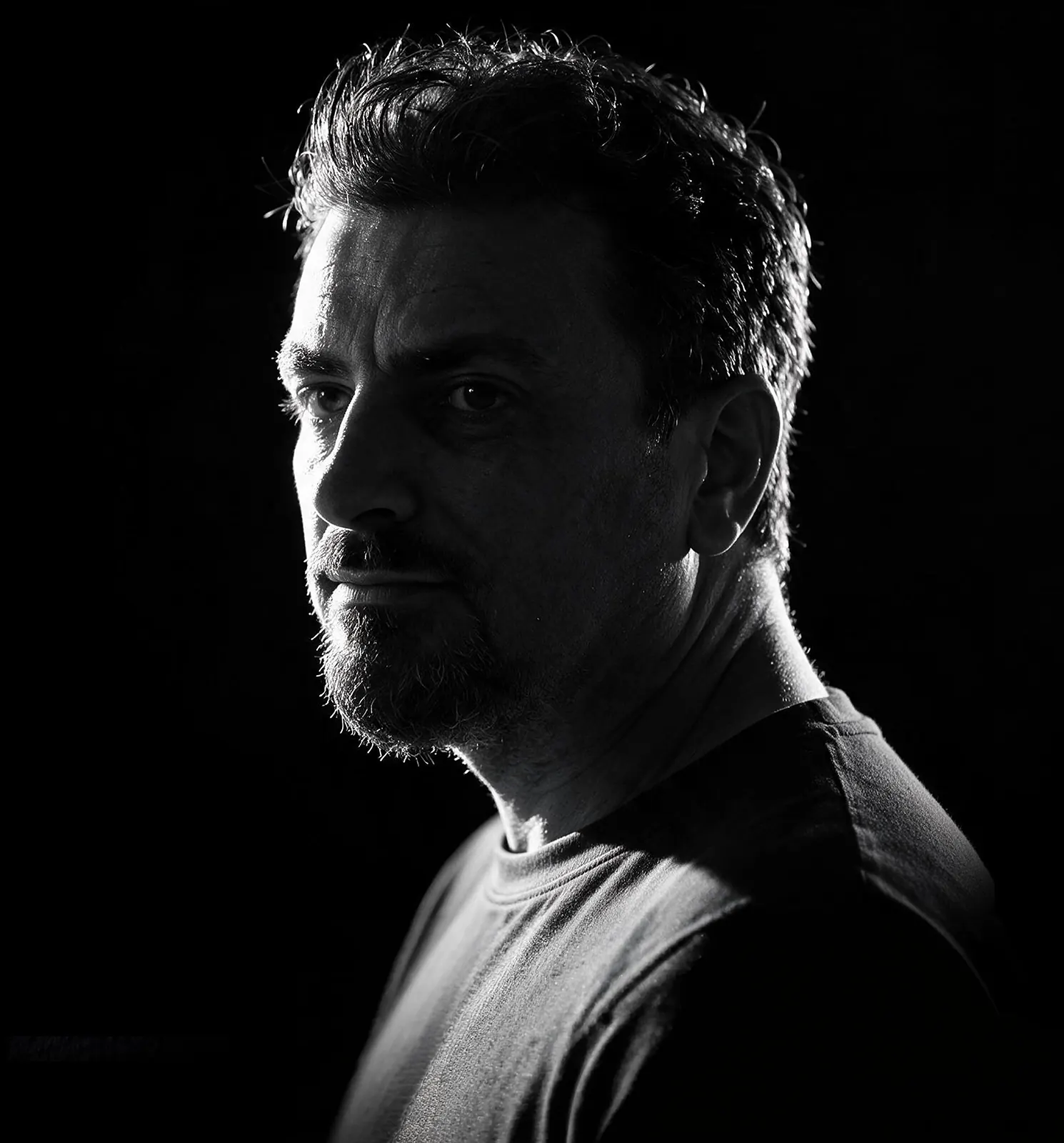
Made by one pair of hands.

Bacci GuitarsPescia, Tuscany
Handmade is a word that gets used loosely, stamped on instruments that are really assembled from pre-made parts. At Bacci it is literal, and worth defining clearly: there is no production line and no showroom. Each instrument is designed, built, voiced, adjusted and finished by Bruno himself, in Tuscany, one at a time.
A factory optimises for consistency at volume, and does it impressively well: a modern production guitar can be reliable, playable and affordable in a way a one-person workshop never could. A luthier optimises for something else entirely, the single instrument in front of him, built around a sound and a player rather than a catalogue.
This article is about that difference: what handmade actually means, who stands behind a Bacci, what you are really paying for, and when a handmade instrument is the right choice over a factory one.
A handmade instrument is only as good as the hands that make it, so it matters who they belong to. Bruno Bacci was born in 1975 and came to instruments the long way, through metallurgy, carpentry, graphic design and marketing. A guitarist first, he became a builder after a hand injury ended his life as a player, and trained at the violin-making school of Cremona, the town where Stradivari worked three centuries earlier.
That background is why a Bacci borrows as much from Italian industrial design as from traditional lutherie. He does not draw a shape and fill it with sound. He starts from the sound he wants to hear and builds the instrument around it, testing each piece of wood by hand, as though in conversation with it, before it is cut.
His first guitar, a Telecaster he built as a young man, carried no name: he could not write Fender, because it was not their instrument, and could not write Bacci, because it was not yet his design. That is why he began creating instruments that could only be his.
Instruments with no name to hide behind, only the sound.
Bruno BacciThe price of a handmade instrument is not a markup on better parts. It is the maker's time and judgement, present in every choice: ergonomics and weight treated as structural decisions rather than afterthoughts, so the instrument balances naturally and stays comfortable through a long set. The wood read by hand and chosen for voice. The sound tuned rather than assembled.
It is built to order, in your specification, made to last, and backed for life by Bruno himself, a guarantee that is only possible because one person stands behind every instrument. That is the difference you are paying for: not a better version of a factory guitar, but a different thing altogether, an instrument made for you, by the person whose name is on it.
Designed, built and set up by Bruno, by hand.
Trained at the Cremona violin-making school.
Backed for life by Bruno himself.
It would be dishonest to pretend a factory guitar is a lesser thing in every way. For many players, most of the time, a well-made production instrument is exactly right: consistent, available now, serviceable anywhere, and far cheaper. If you need a reliable workhorse this week, a factory guitar is the sensible answer, and a good one will serve you for years.
A handmade instrument earns its place when what you want cannot be pulled off a wall: a specific voice, a specific feel, an instrument built around how you actually play, and a relationship with the person who made it. That is a different purchase, made for different reasons, and knowing which one you are making is half of choosing well.
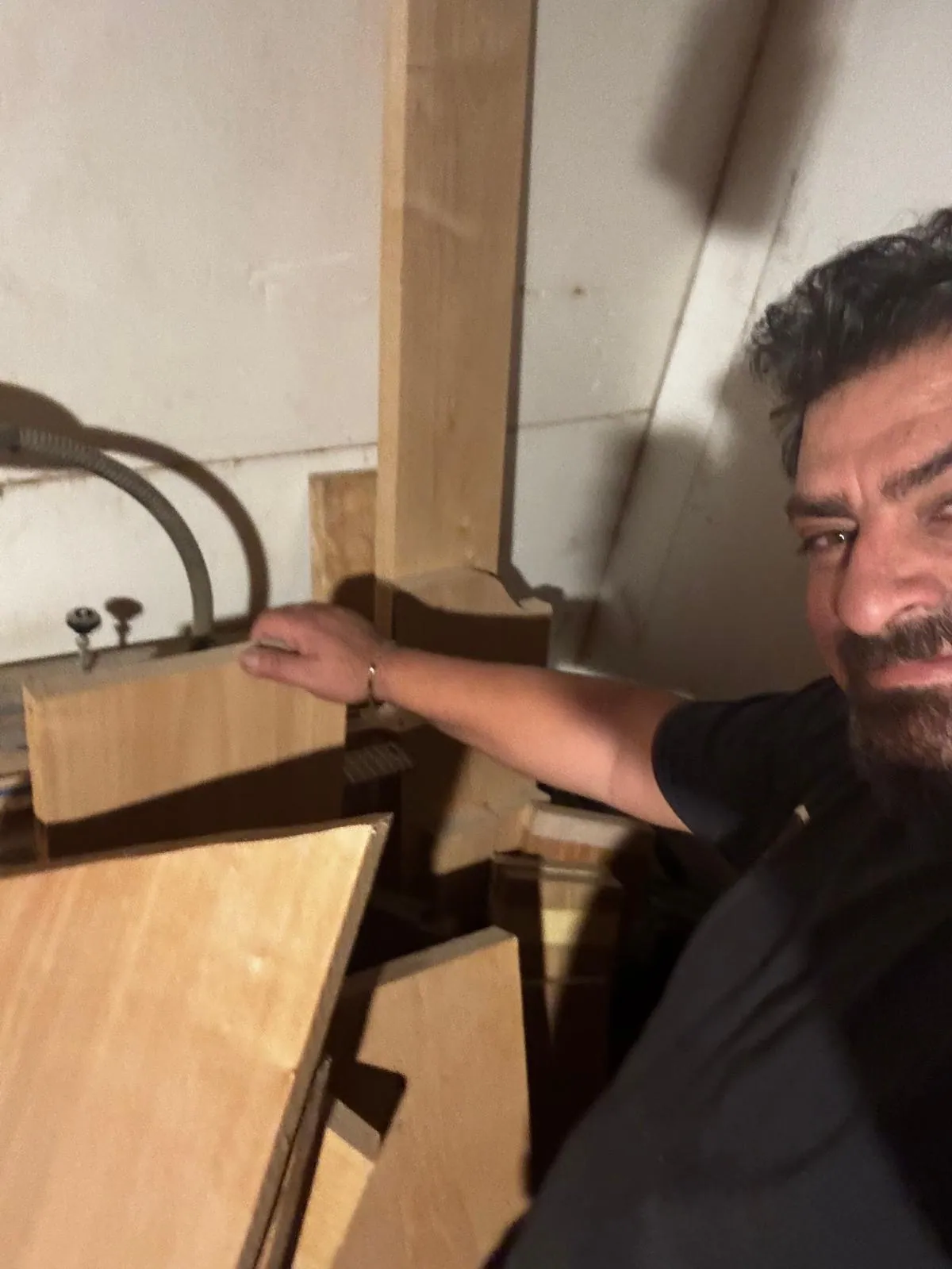
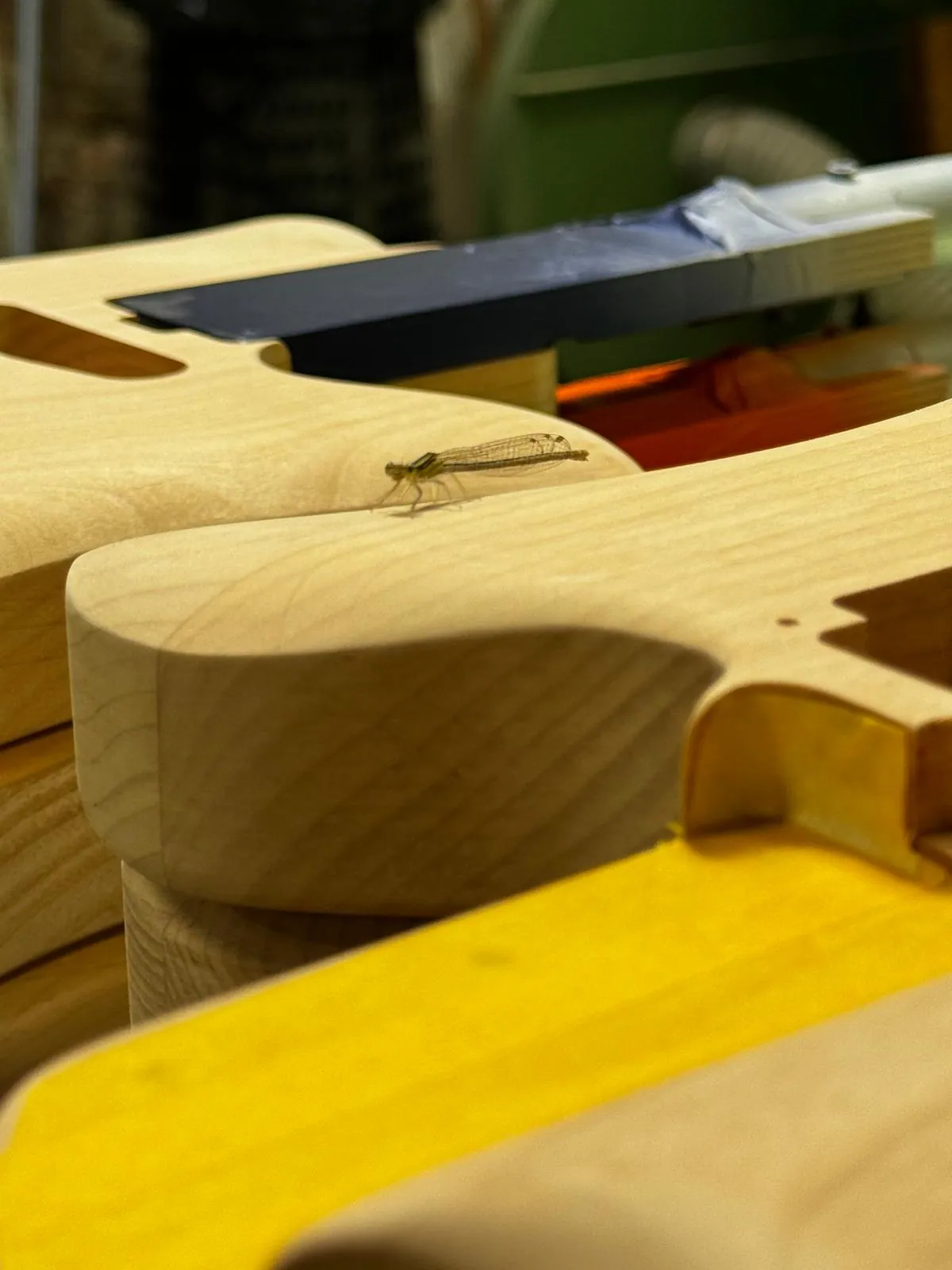
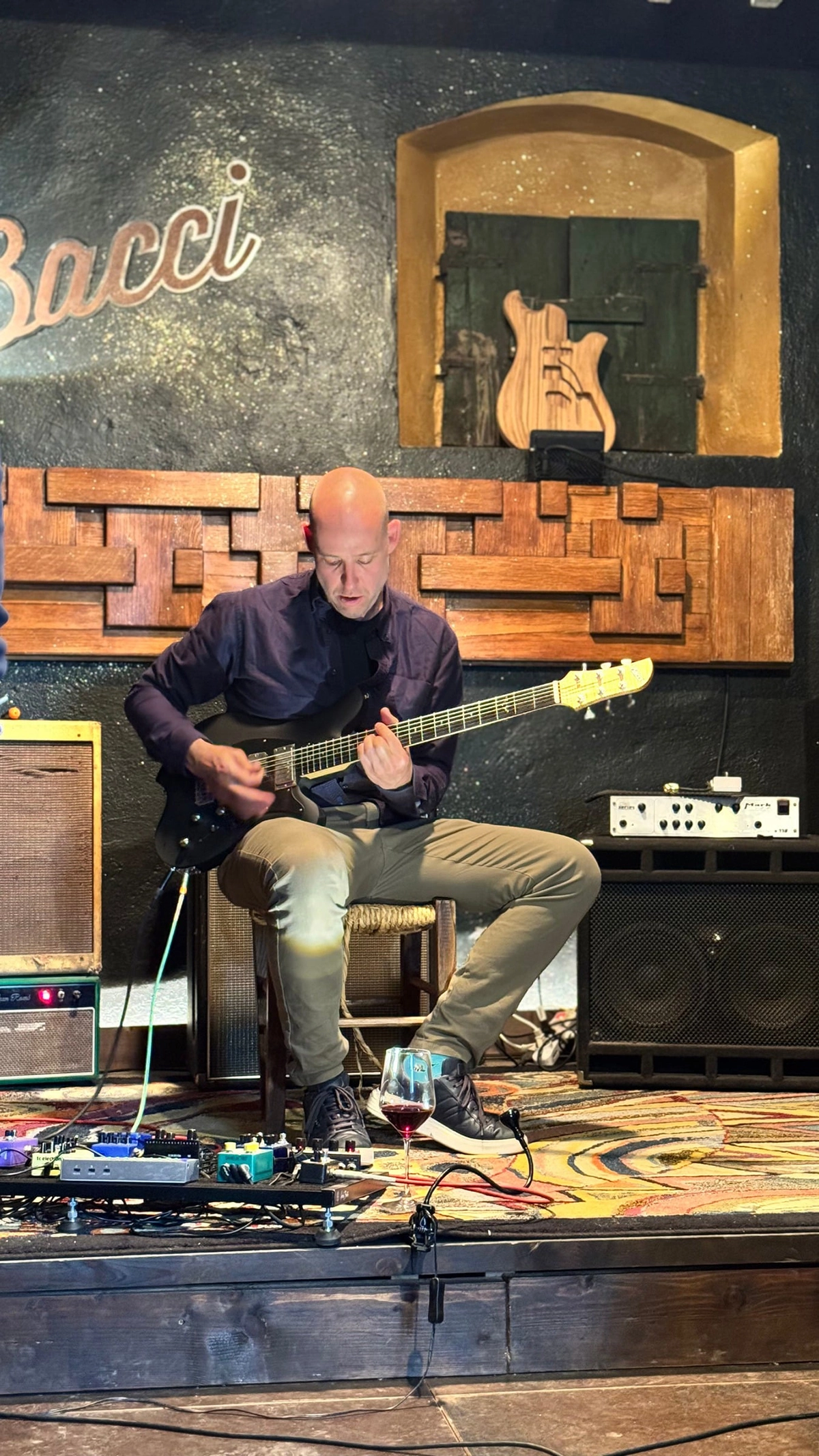
Bacci is made in Tuscany, between Florence and Lucca, in a region that has been a workshop for artists since Leonardo da Vinci and Michelangelo. There is no line and no showroom, just a workshop where the whole family of instruments, from the dual-output Leonardo baritone to the Marleo bass, the Michael League signature Marlita, and the limited-edition Tosca, shares one idea: only what is necessary, made to last.
That is the final thing you are buying with a handmade instrument, a provenance you can name, and a person you can speak to. Not a factory, a luthier.
A handmade guitar is designed, built, voiced and set up by a maker rather than assembled on a production line from pre-made parts. At Bacci there is no line and no showroom: Bruno designs, builds and finishes every instrument himself, one at a time, in Tuscany.
You are paying for the maker's time and judgement: an instrument designed around a sound goal, built to order in your spec, voiced by hand, and backed for life. Whether that is worth it depends on the player, but it buys something a factory instrument cannot, an instrument made for you rather than for a catalogue.
Not automatically. A good factory makes consistent, reliable instruments at a price a workshop cannot match. A luthier offers something different: a one-off built around you, with choices and care a production line cannot give. Better depends on what you want from the instrument.
Bruno Bacci, a Tuscan luthier born in 1975, who came to the craft through metallurgy, woodworking, graphic design and marketing, and trained at the violin-making school of Cremona. He designs, develops and builds every instrument by hand.
In Tuscany, between Florence and Lucca, in a region that has been a workshop for artists since Leonardo and Michelangelo. Each instrument is made to order in Bruno's workshop in Pescia.
Yes. Every Bacci is backed for life by a lifetime warranty from Bruno himself, which is only possible because one person stands behind every instrument.
Longer than pulling one off a wall, because it is built to order after the specification is settled. The limited-edition Tosca, for example, is built in eleven months. The wait is the price of an instrument made for you.
Yes. A Bacci commission starts with a conversation with Bruno, and through the Bacci Experience you can join him at the bench for the final stages of your build.
No line, no showroom. Just a luthier in Tuscany, and an instrument built around your sound, backed for life.
Every Bacci is designed, built and set up by Bruno, one at a time, in Pescia.