Italian lutherie

Italian lutherie.
Why Tuscany.

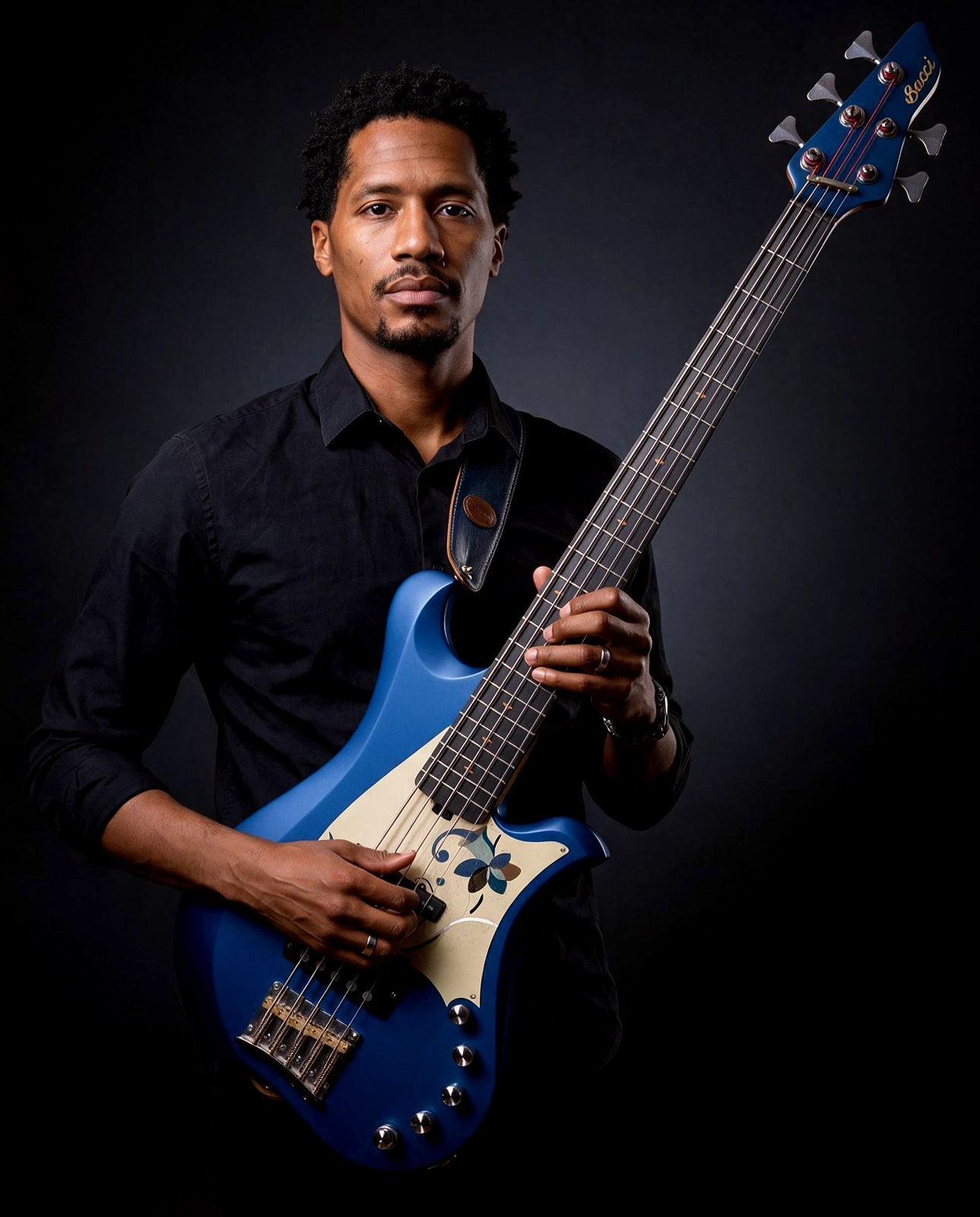
Every Bacci is built by hand in Pescia, in the hills between Florence and Lucca, by a luthier who learned to listen to wood at the violin school of Cremona. This is what that changes in the instrument.

The short answer

Why Tuscany.

Bacci Guitars is in Pescia, in the province of Pistoia, between Florence and Lucca. It is a region that has been making things by hand for six centuries, and the workshop belongs to that lineage rather than to the guitar industry.

Bruno Bacci trained at the violin-making school of Cremona, where Stradivari had worked three hundred years earlier. What he brought back is not decoration. It is a method: start from the sound you want, then build the instrument around it.

The consequence is simple and uncomfortable for a factory. Instruments are made one at a time, and the yearly output is kept deliberately small so that nothing is rushed.

6centuries

that this corner of Tuscany has been making things by hand. The workshop belongs to that line, not to the guitar industry.

300years

between Stradivari at work in Cremona and Bruno learning the trade in the same town.

2pieces of wood

neck and body, tuned to each other and set up at the same time. This is the whole secret.

1at a time

instruments on the bench. Never two, never a batch, and the year’s output kept small on purpose.

At a glance

An instrument from a line

  • Design repeated to a spec
  • Wood bought to a grade
  • Neck fitted to any body
  • Output as many as the line runs

An instrument from Pescia

  • Design built around a sound
  • Wood chosen piece by piece, by hand
  • Neck matched and tuned to its own body
  • Output deliberately limited, every year
In Cremona I learned an ancient secret: how a violin can fill a theatre without amplification.

Bruno Bacci · trained at the violin-making school of Cremona

Cremona

How a violin fills a theatre with no microphone.

It is the sentence Bruno returns to when he is asked why an electric guitar should care about violin making at all. The answer is one operation: classical lutherie treats it as the main job, and the electric world almost never performs it.

  1. The neck is matched to its own body

    Not to any body of that model. To that one, the piece of wood it will spend its life attached to.

  2. The two are set up at the same time

    So that their vibrations agree instead of merely coexisting. It is as if the two pieces of wood were tuned to each other.

  3. You hear it for as long as the instrument lasts

    Longer sustain, balance from note to note across the whole range, and intonation that holds all the way up the fingerboard.

Bruno is blunt about it: this is his speciality, and other builders do not do it.

The maker

Wood comes with a soul.
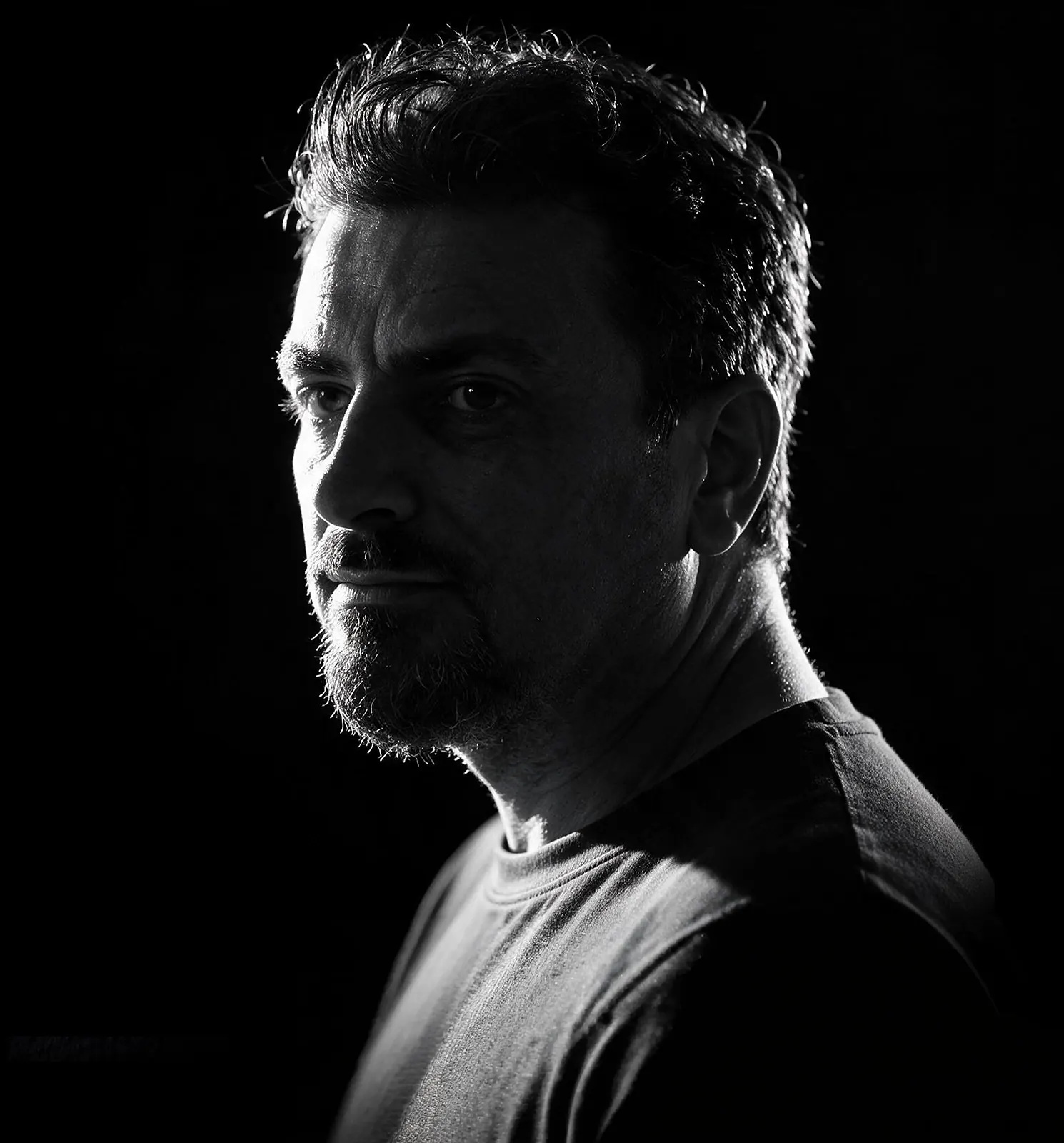
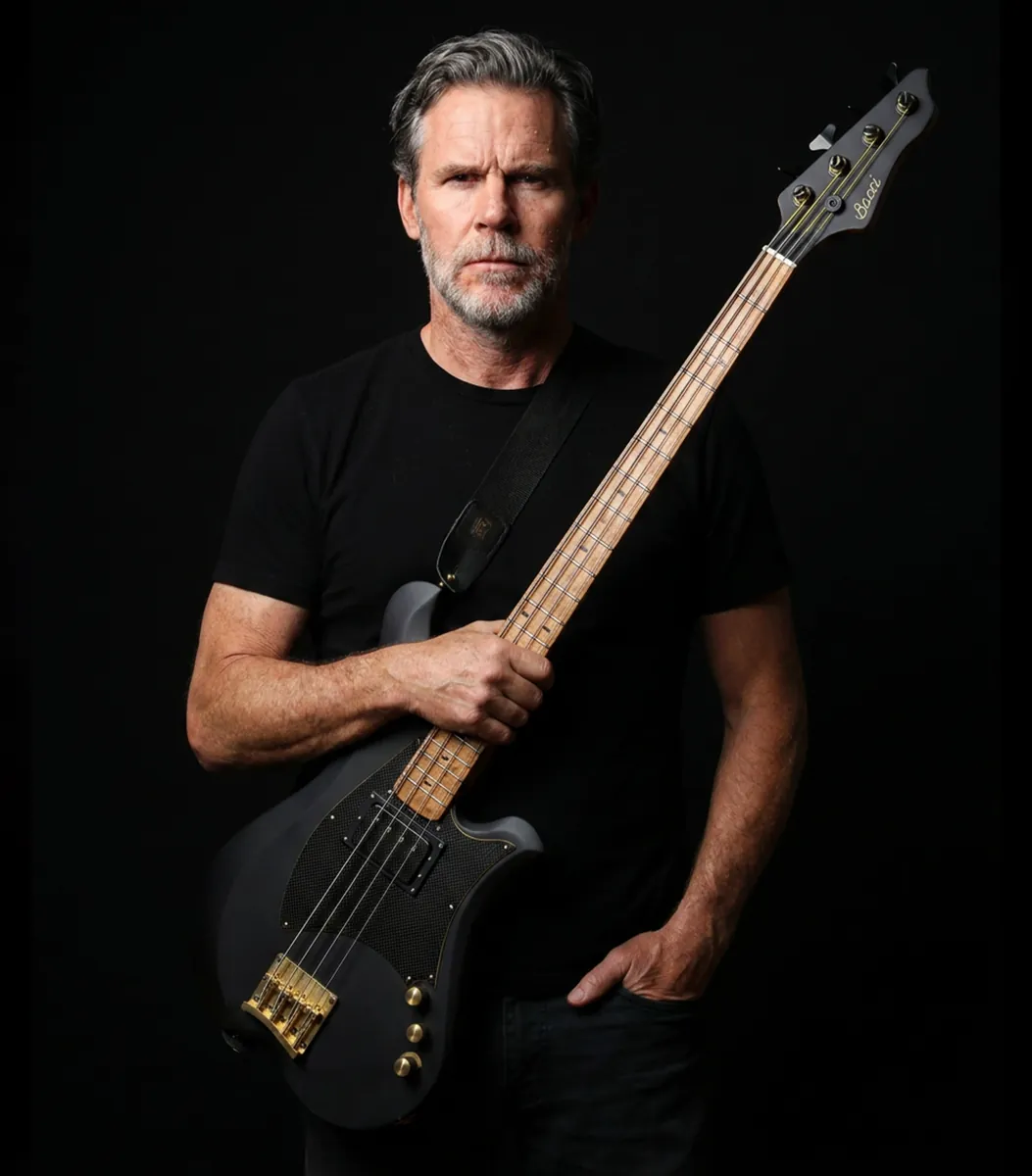
Bruno Bacci, master luthier, in his workshop in Pescia, Tuscany

Bruno Bacci was born in 1975. Through his twenties and thirties he worked across metallurgy, carpentry, marketing and graphic design, and he came to instrument building the long way round: he was a guitarist first, and became a builder after a hand injury.

That mixed background is the reason a Bacci is engineered as well as carved. Physics and ergonomics sit next to the historical knowledge picked up in Cremona. Weight and balance are treated as part of the sound, not as an afterthought.

There is also a ritual. He tests a piece of wood through a sequence of movements that looks like a dance, as if he were speaking to the material. “Wood comes with a soul, which a skilled luthier must be able to capture and interpret.”
The place

A farmhouse, a bench, and Puccini’s hill.

The workshop sits in the heart of Tuscany, in the country between Florence and Lucca, a few valleys from where Leonardo da Vinci and Michelangelo worked. The Tuscan farmhouse where Bruno lives is part of a property that once belonged to Giacomo Puccini, the composer of La Bohème, Madama Butterfly and Turandot.

This is not a marketing detail, it is the working day. Musicians who come to collect an instrument stay for lunch under the pergola, and they do not simply leave with a musical instrument: they leave with a piece of Tuscany, and a bond that tends to last.

The place where the guitar is finished and the place where it is first played are the same place.

The wood

Italian timber, chosen by hand.

In the wood lies the first generator of sound: intonation, resonance, dynamic response and tonal quality all begin there.

Necks
European figured maple. Bruno has an open preference for it, and it goes straight into the recognisable Bacci tone.
Fingerboards
Ebony, or roasted figured maple.
Tops
Italian timber, selected piece by piece: olive, walnut, maple, spruce.
Finish
The Art of Nature collection is never painted at all, so the top stays on display.
Waiting
Fine tops are kept for years, until the right instrument comes along for them.

Selection is severe, and it is the reason the yearly output is what it is. A rare top can be worth more than a finished guitar from a factory, before a single cut has been made.

Played by the musicians that players love

They chose Bacci.

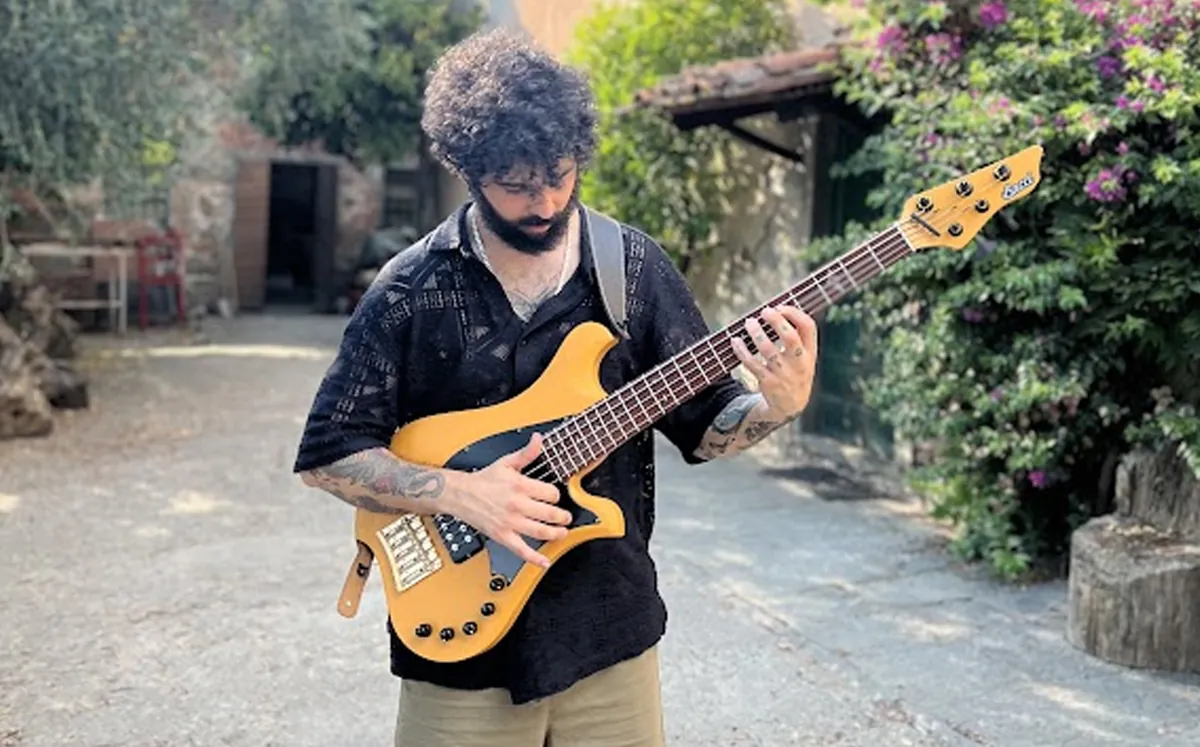
Matteo MancusoVirtuoso
Tim LefebvreDavid Bowie · Blackstar
MunkyKorn
Michael LeagueSnarky Puppy
Cory WongThe Fearless Flyers
Vincen GarciaSolo bassist
Paul Davids
Paul DavidsGuitarist & educator
Derek Frank
Derek FrankSession bassist · LA
19.3MMark Lettieri
Mark LettieriSnarky Puppy
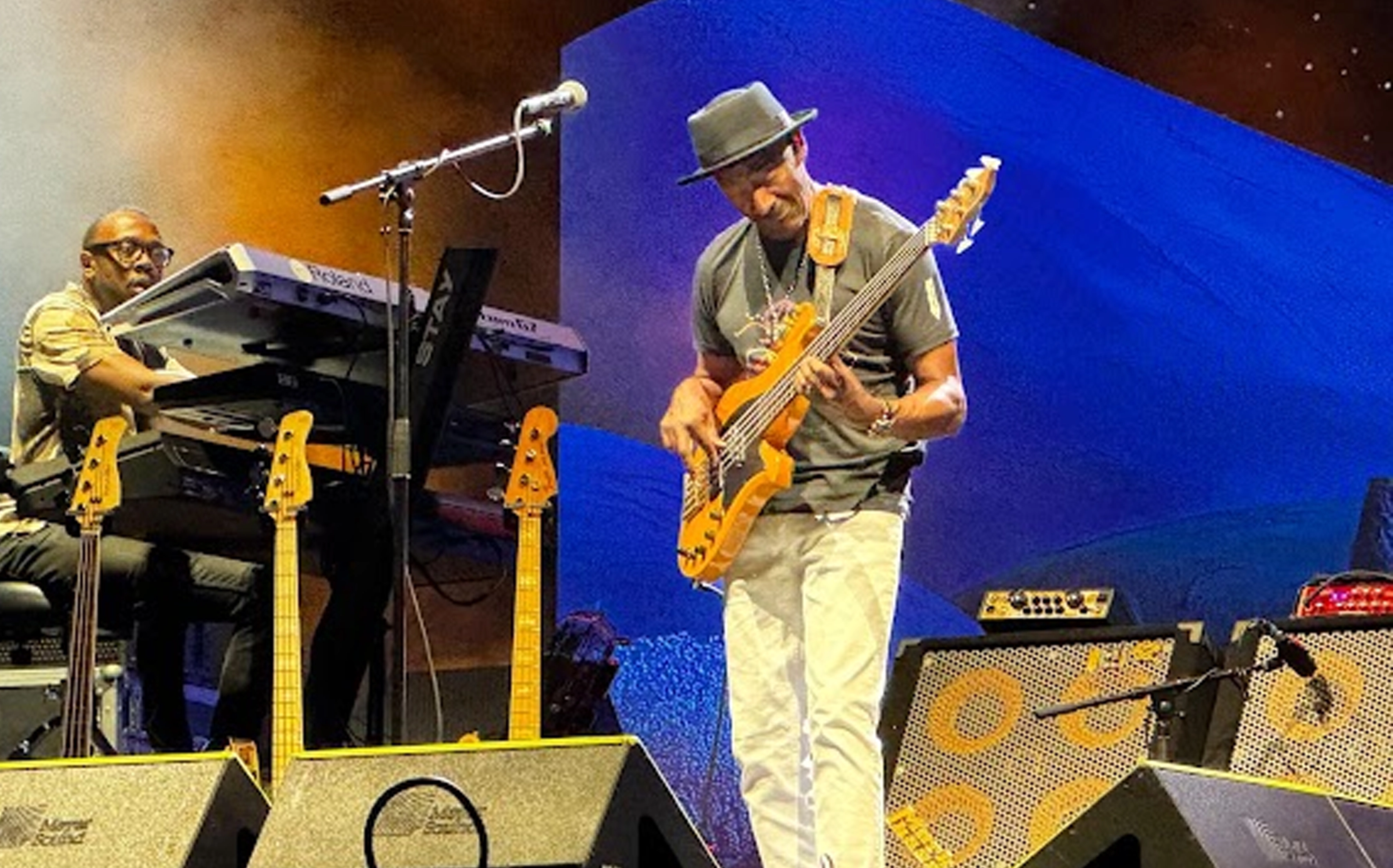
Marcus Miller
Marcus MillerBass icon
Ron Artis II
Ron Artis IIArtis Family Band
Tomo Fujita
Tomo FujitaEducator
Emma Nolde
Emma NoldeArtist · Italy
19.3MMark Lettieri
Mark LettieriSnarky Puppy
Marcus Miller
Marcus MillerBass icon
Ron Artis II
Ron Artis IIArtis Family Band
Tomo Fujita
Tomo FujitaEducator
Emma Nolde
Emma NoldeArtist · Italy
19.3MMark Lettieri
Mark LettieriSnarky Puppy
Marcus Miller
Marcus MillerBass icon
Ron Artis II
Ron Artis IIArtis Family Band
Tomo Fujita
Tomo FujitaEducator
Emma Nolde
Emma NoldeArtist · Italy
19.3MMark Lettieri
Mark LettieriSnarky Puppy
Marcus Miller
Marcus MillerBass icon
Ron Artis II
Ron Artis IIArtis Family Band
Tomo Fujita
Tomo FujitaEducator
Emma Nolde
Emma NoldeArtist · Italy
Matteo Mancuso / Tim Lefebvre / Munky / Cory Wong / Mark Lettieri / Michael League / Vincen Garcia / Paul Davids / Derek Frank / Matteo Mancuso / Tim Lefebvre / Munky / Cory Wong / Mark Lettieri / Michael League / Vincen Garcia / Paul Davids / Derek Frank /
In their words

What players say.

Put flats on it and it sounds like an old P bass. Put round-wounds on it and there’s a lot of bite.
Michael LeagueSnarky Puppy1.8M views · on the Amrita
The amount of low end and even saturation coming from this bass is insane.
Grigor FrissBass The World18K views · Marlita demo
When I play it, I don’t really miss the bass player.
Matteo MancusoGuitaristBest Guitar Solo 2024
This is a funk machine, it nails the baritone funk rhythm sound.
Mark LettieriSnarky Puppy861K views · ‘Naptime’
The precision bass for the modern era. Everything I love about vintage basses, with all the innovation of a modern one.
Marlita ownerVerified reviewCustom build
I’ve never found anything like this. The shape, the sound, the playability, everything is really in the right place.
Nathaniel MurphyGuitaristPlays Orange Circles & Slalom
Bruno’s baritone guitars are inspiring a whole generation of top players, he’s developing a whole new musical canon.
Jamie GaleStrings expertGlobal strings authority
Put flats on it and it sounds like an old P bass. Put round-wounds on it and there’s a lot of bite.
Michael LeagueSnarky Puppy1.8M views · on the Amrita
The amount of low end and even saturation coming from this bass is insane.
Grigor FrissBass The World18K views · Marlita demo
When I play it, I don’t really miss the bass player.
Matteo MancusoGuitaristBest Guitar Solo 2024
This is a funk machine, it nails the baritone funk rhythm sound.
Mark LettieriSnarky Puppy861K views · ‘Naptime’
The precision bass for the modern era. Everything I love about vintage basses, with all the innovation of a modern one.
Marlita ownerVerified reviewCustom build
I’ve never found anything like this. The shape, the sound, the playability, everything is really in the right place.
Nathaniel MurphyGuitaristPlays Orange Circles & Slalom
Bruno’s baritone guitars are inspiring a whole generation of top players, he’s developing a whole new musical canon.
Jamie GaleStrings expertGlobal strings authority
The sound

Watch it. Hear it played.

Building the best baritone guitars, Bruno Bacci
Why Mancuso plays a Bacci baritone
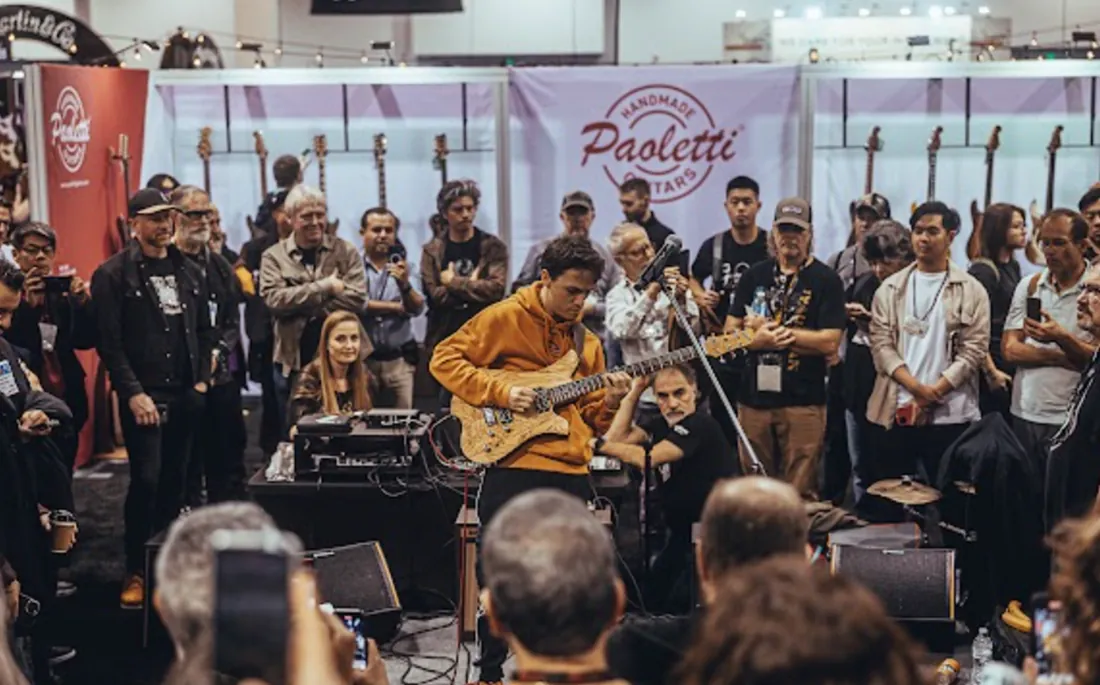
Matteo Mancuso at the Bacci booth
Bacci baritone video
Mancuso and Cory Wong at NAMM
Where to play one

Authorised
dealers.

A short, hand picked network of shops keeps Bacci on the wall.
Go and play one in person, or start a custom build directly with Bruno in Tuscany.

Austin Guitar HouseAustin Guitar House
Chicago Music ExchangeChicago Music Exchange
Eddie’s GuitarsEddie’s Guitars
Empire MusicEmpire Music
Guitars EtcGuitars Etc
Heartbreaker GuitarsHeartbreaker Guitars
Lead MusicLead Music
Music Store LiveMusic Store Live
Musikhaus André LouisMusikhaus André Louis
Pitbull AudioPitbull Audio
Good to know

Questions.

Where are Bacci guitars made?

In Pescia, in the province of Pistoia, in the hills between Florence and Lucca. Every instrument is built by hand in that workshop, one at a time.

What does violin making have to do with an electric guitar?

One operation above all. In classical lutherie the neck and the body are matched and set up together so that their vibrations agree. Bruno learned it in Cremona and brought it into the electric world, where almost nobody does it.

Which woods does Bacci use?

Necks are European figured maple, with ebony or roasted figured maple fingerboards. Bodies and tops use Italian timbers, olive, walnut, maple and spruce among them, selected piece by piece.

How many instruments are built each year?

Deliberately few. Output is limited so that nothing in the process is rushed, and custom commissions are worked out directly with Bruno.

Can I visit the workshop?

Yes. The Bacci Experience brings you to Pescia for the final stages of your own build, with the reveal at the end.

Come and see where it is made.

Commissions

Crafted for one

Nothing here is in stock, and nothing ever will be.
Every instrument is claimed by one player before the first cut.

  1. 01

    Reserve

    A €1,000 deposit holds your place at the bench and sets the work in motion. It comes off the price in full.

  2. 02

    Define the sound you need

    Woods, pickups, finish, decided one by one, together. The instrument is drawn around you.

  3. 03

    Play

    The balance falls due once the specification is closed. Eight months later, it is in your hands.

Not sure which instrument is yours?
Ask before you commit.